PRE-PRODUCTION
Before even a single frame is shot, pre-production is where the film truly comes to life. You create a blueprint where ideas transform into a clear creative vision and it is only possible through planning, collaboration, problem solving, rewrites, long nights, you name it. Locations are scouted, storyboards are built, casting is secured, schedules are mapped out, and every detail from wardrobe to lighting logistics is carefully designed to support the story. It’s a fast-paced process ensuring that once cameras roll, the entire team can focus on capturing something powerful.
first, we have a:
SCRIPT
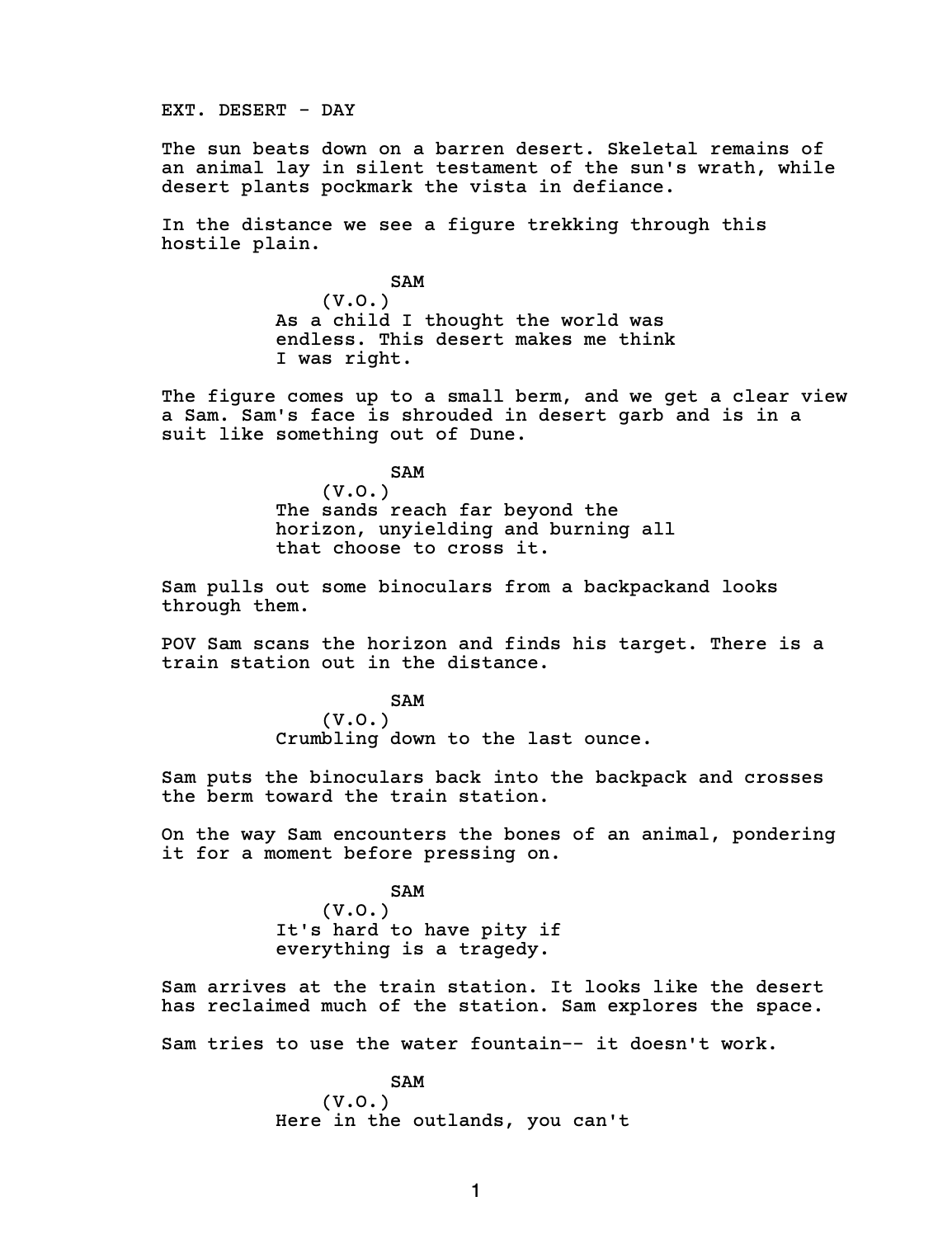
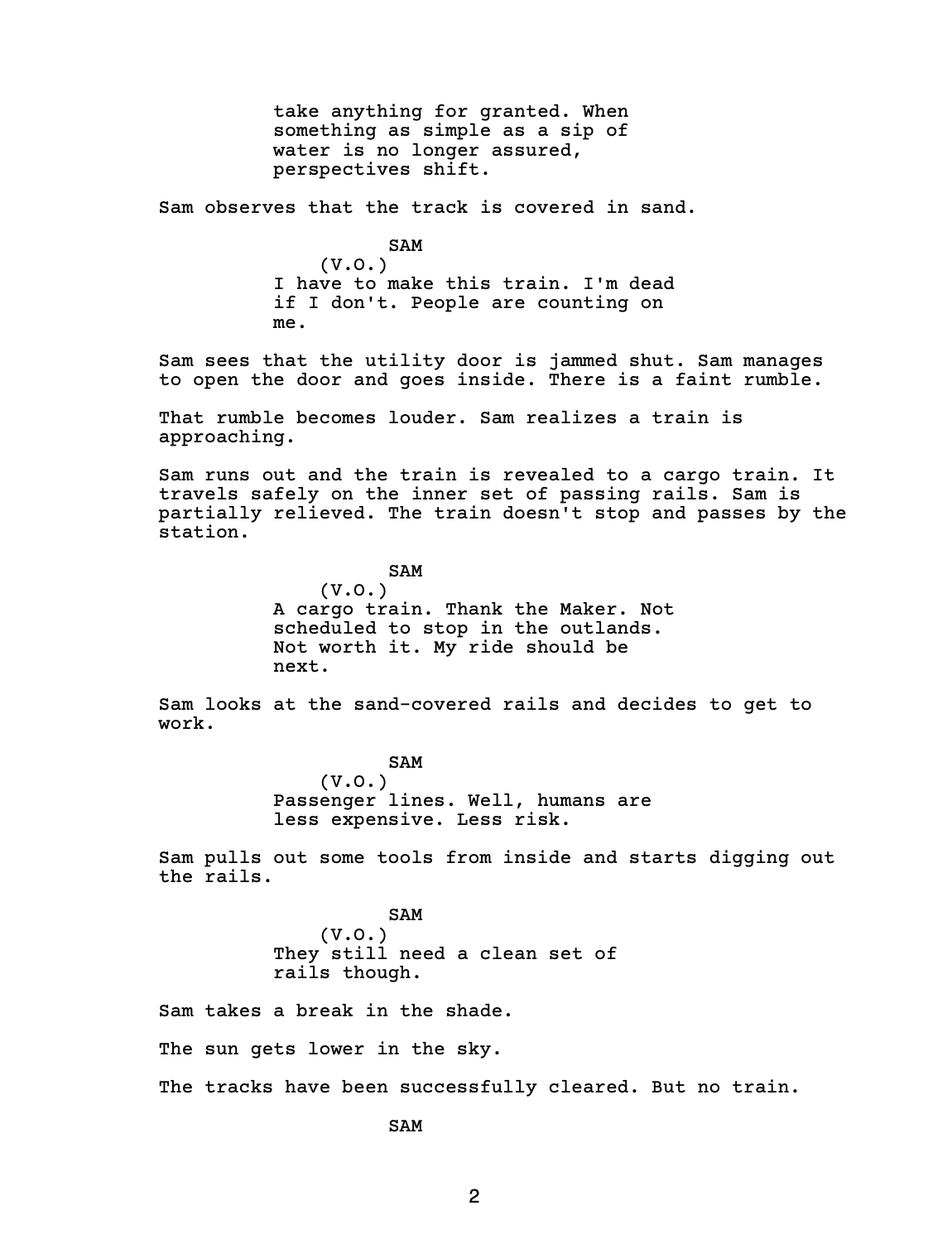
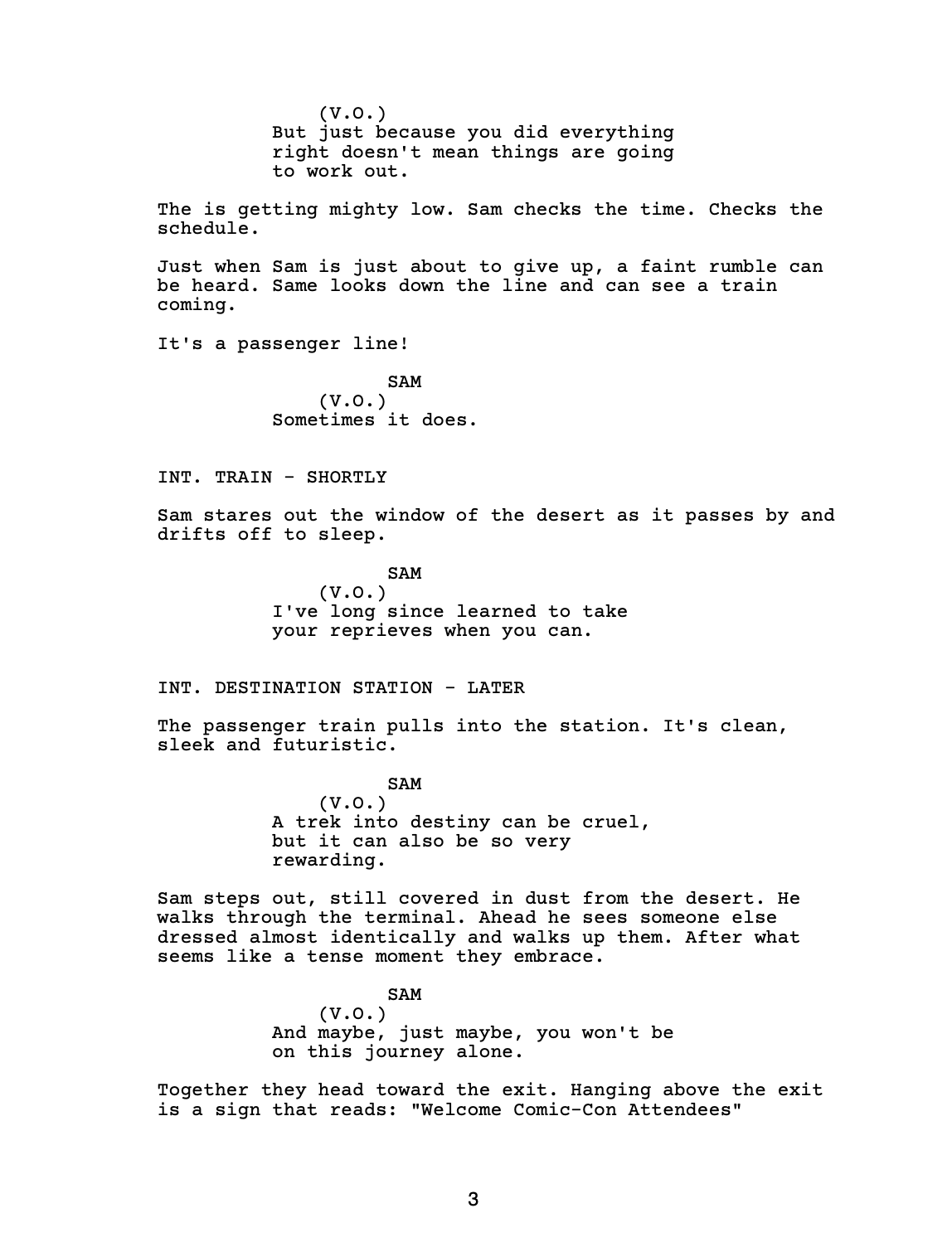
Writing The Last Train was all about building suspense, mystery, and cinematic scale. The script was designed to feel like a survival story following a lone wanderer dressed like a post-apocalyptic wanderer as he drifts through a barren, deserted train station that feels worlds away from Earth itself. Every moment was crafted to raise questions: Who is he? What happened here? Is this the end of civilization? Then, just as the tension peaks, reality comes crashing in with perfect comedic timing. A train arrives, the doors open, and our “last survivor” casually boards and ends up in Anaheim to experience Comic-Con.
Then we move onto:
storyboard
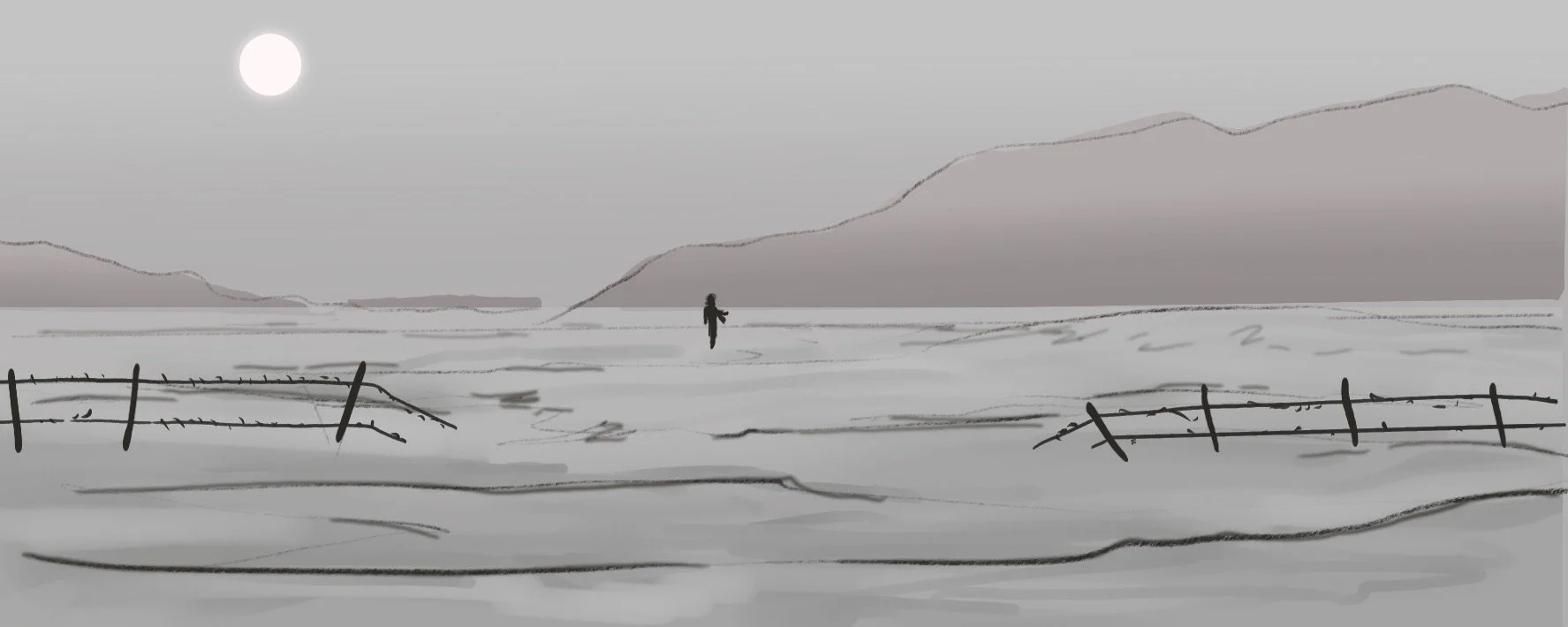
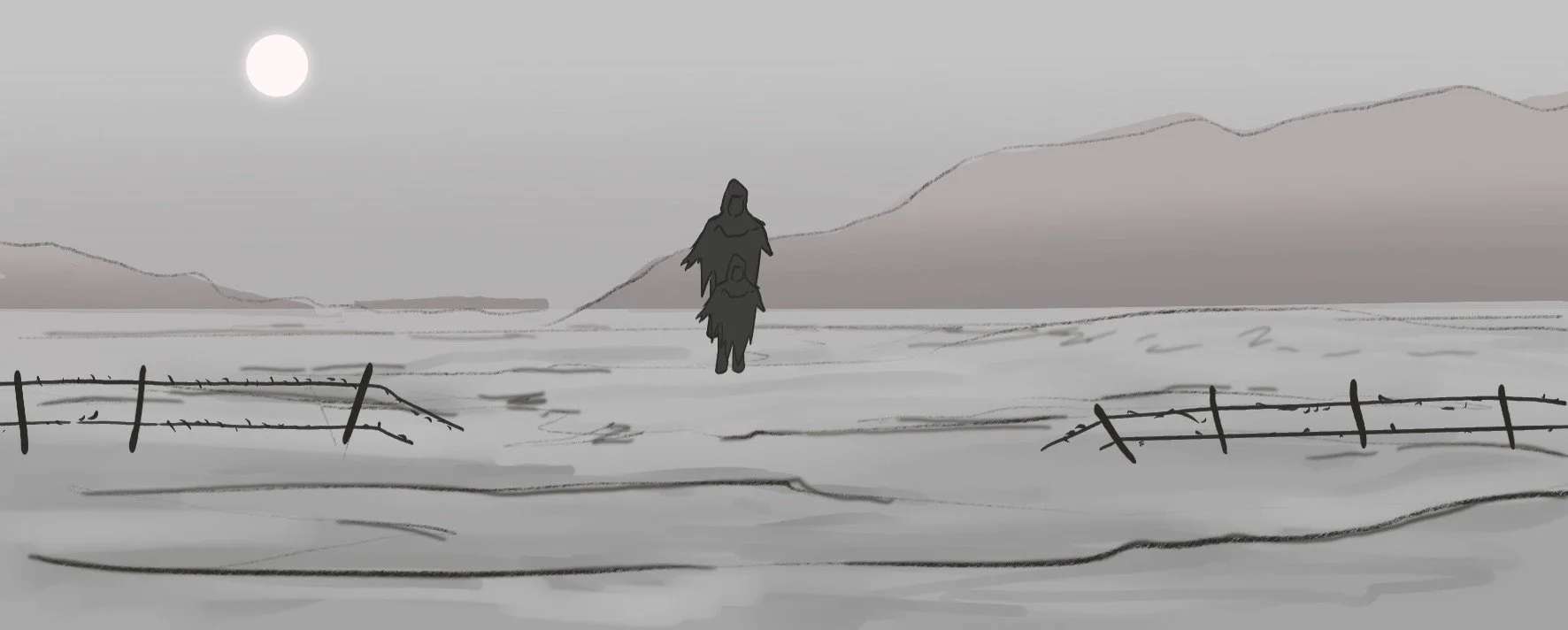
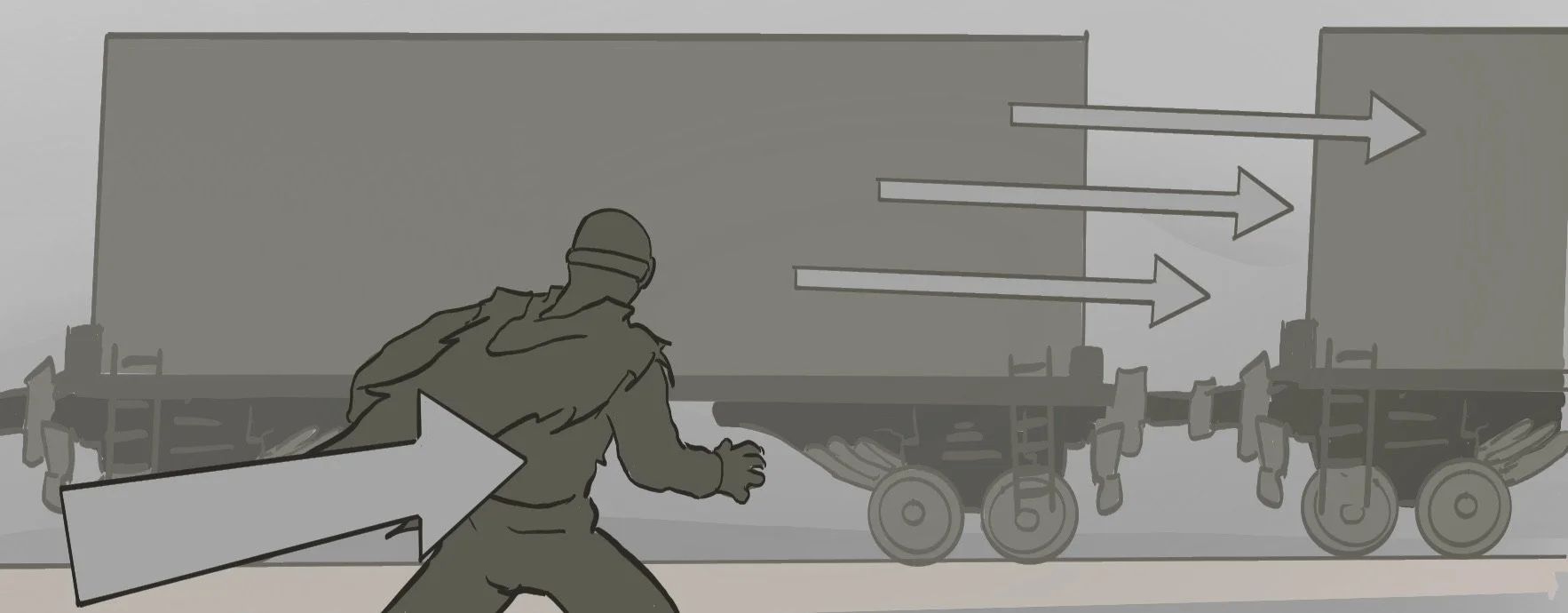
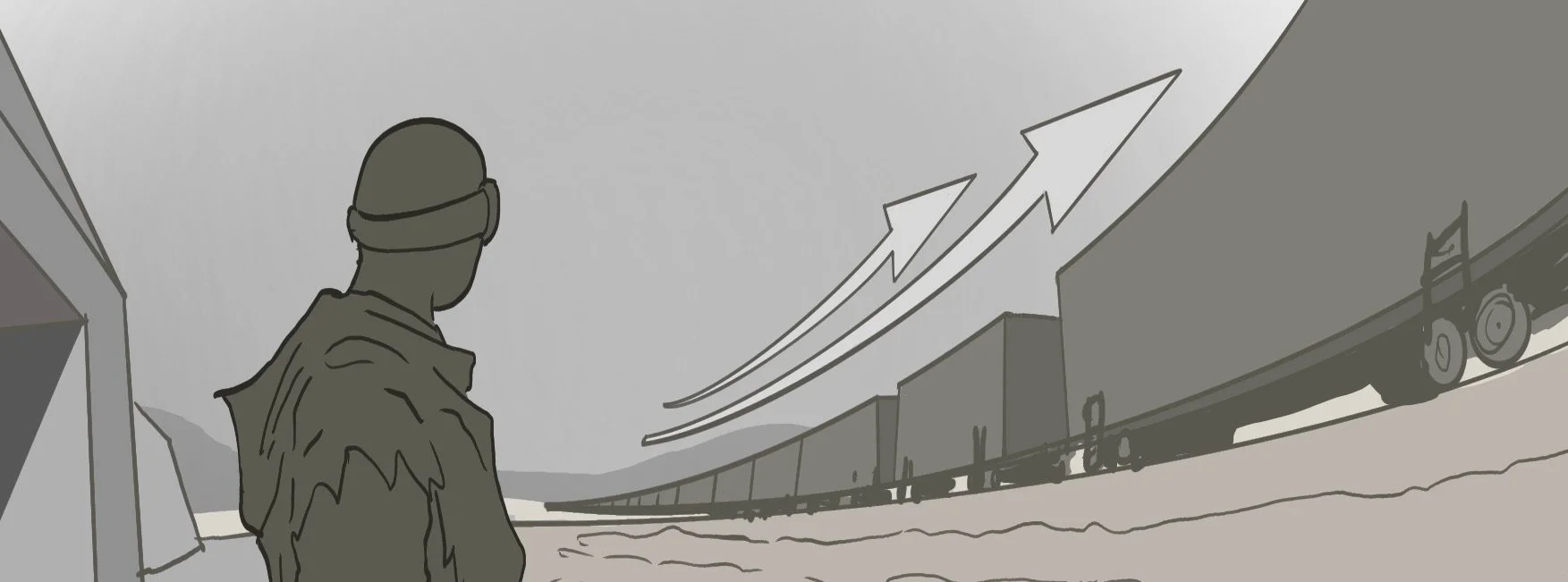
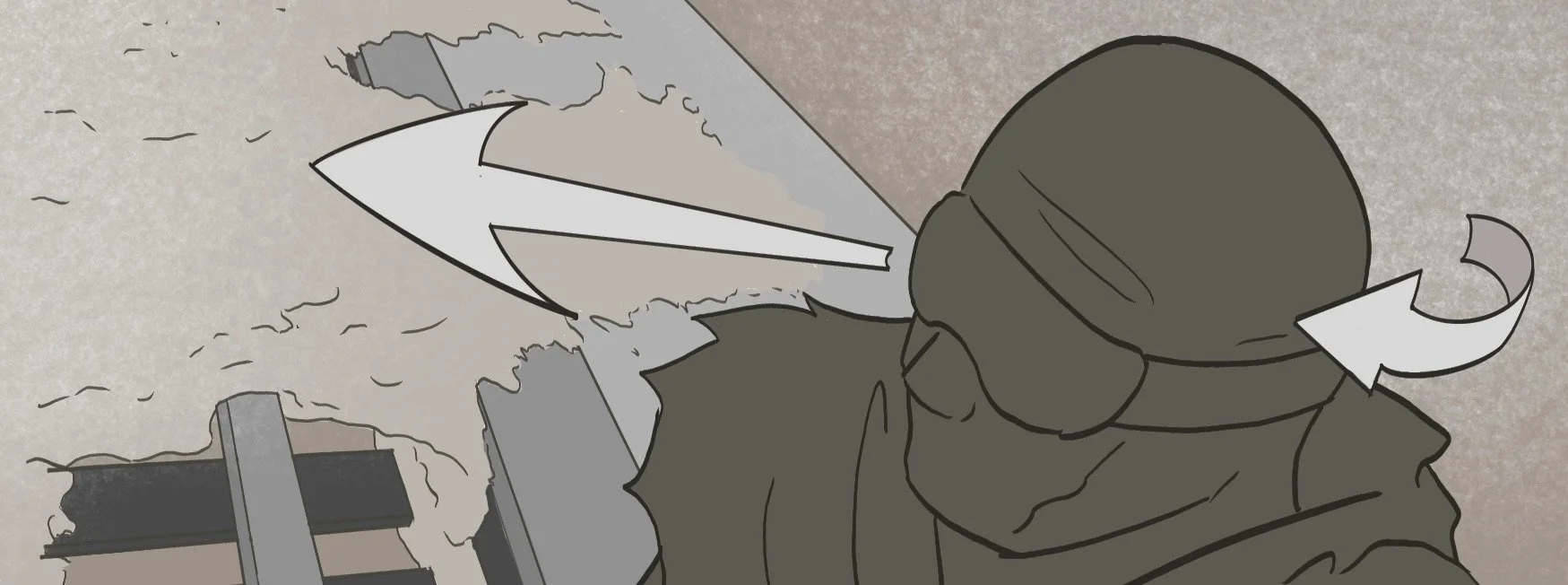
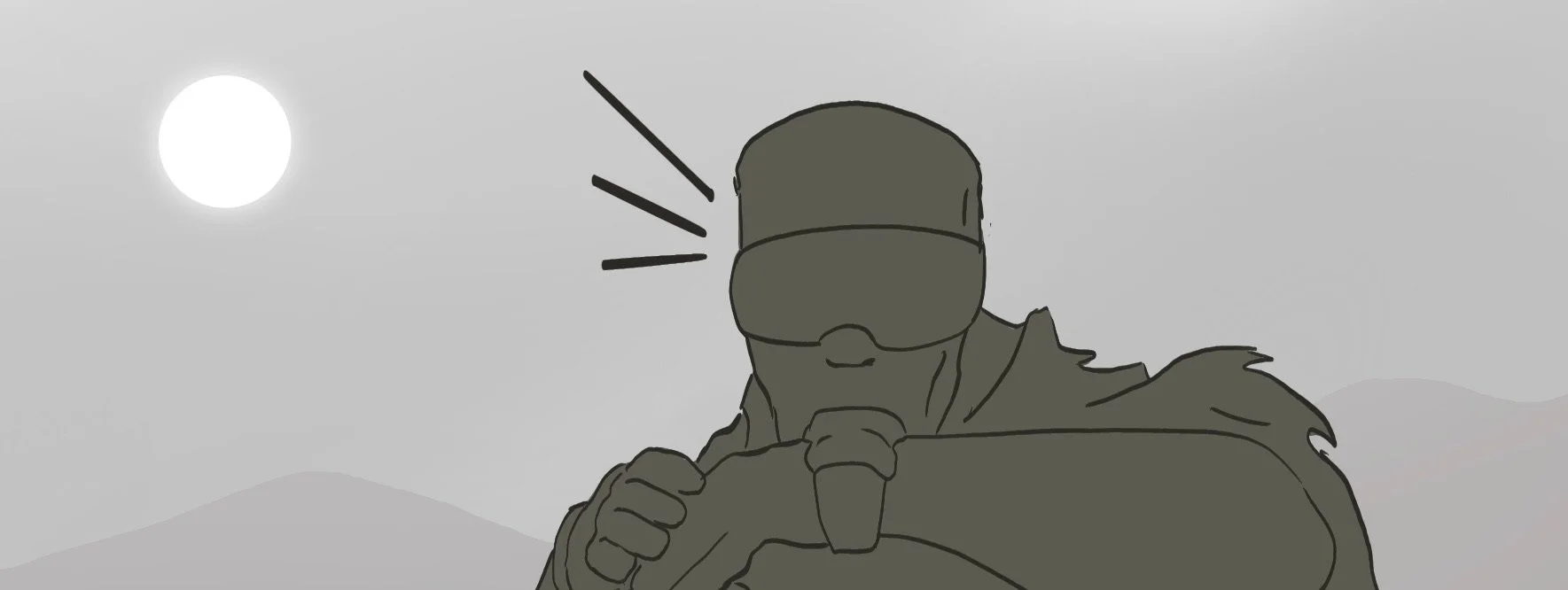
Creating a Storyboard takes a keen imagination and when possible, a good artist. Each frame should be sketched with intention. Mapping out the lonely, cinematic feel of an otherworldly desert while carefully controlling what the audience sees. The goal was to lean into the drama early on, using wide shots, slow reveals, and striking compositions to make it feel like a high-stakes sci-fi survival story. Every angle, movement, and transition was planned to build tension and curiosity, guiding the viewer deeper into the mystery.
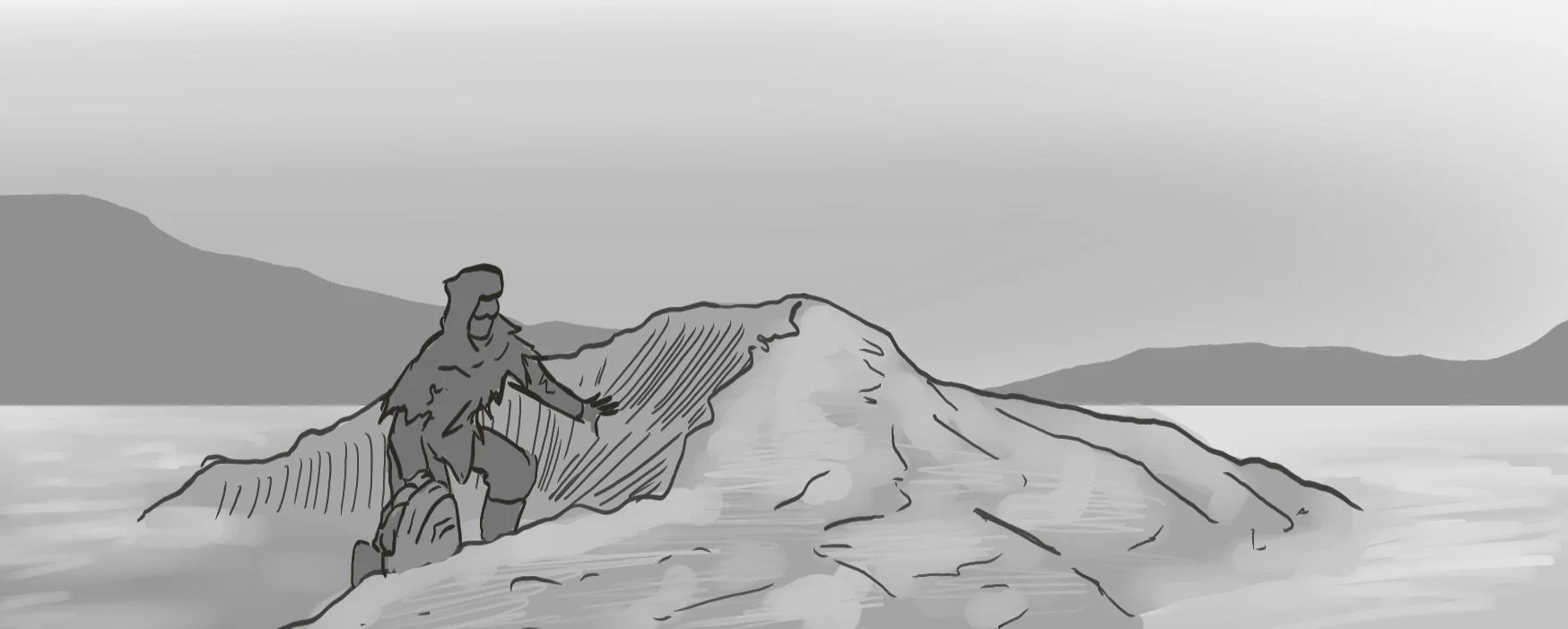
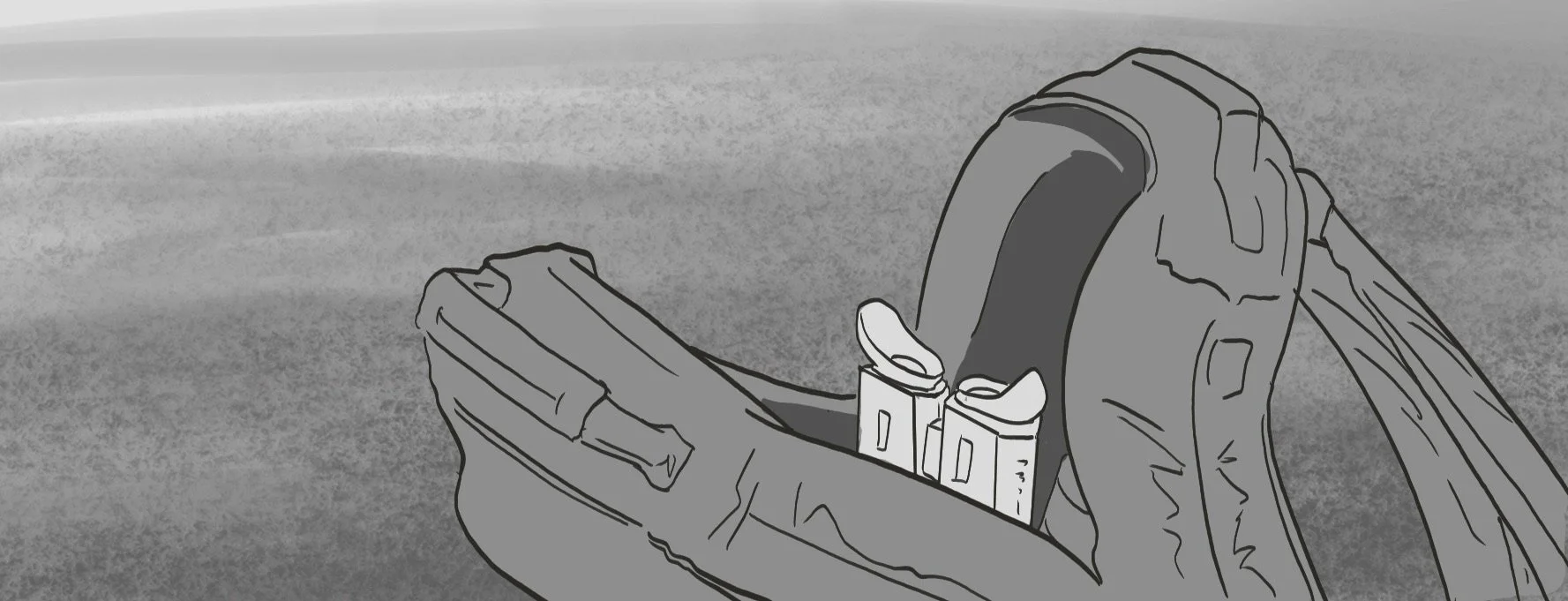
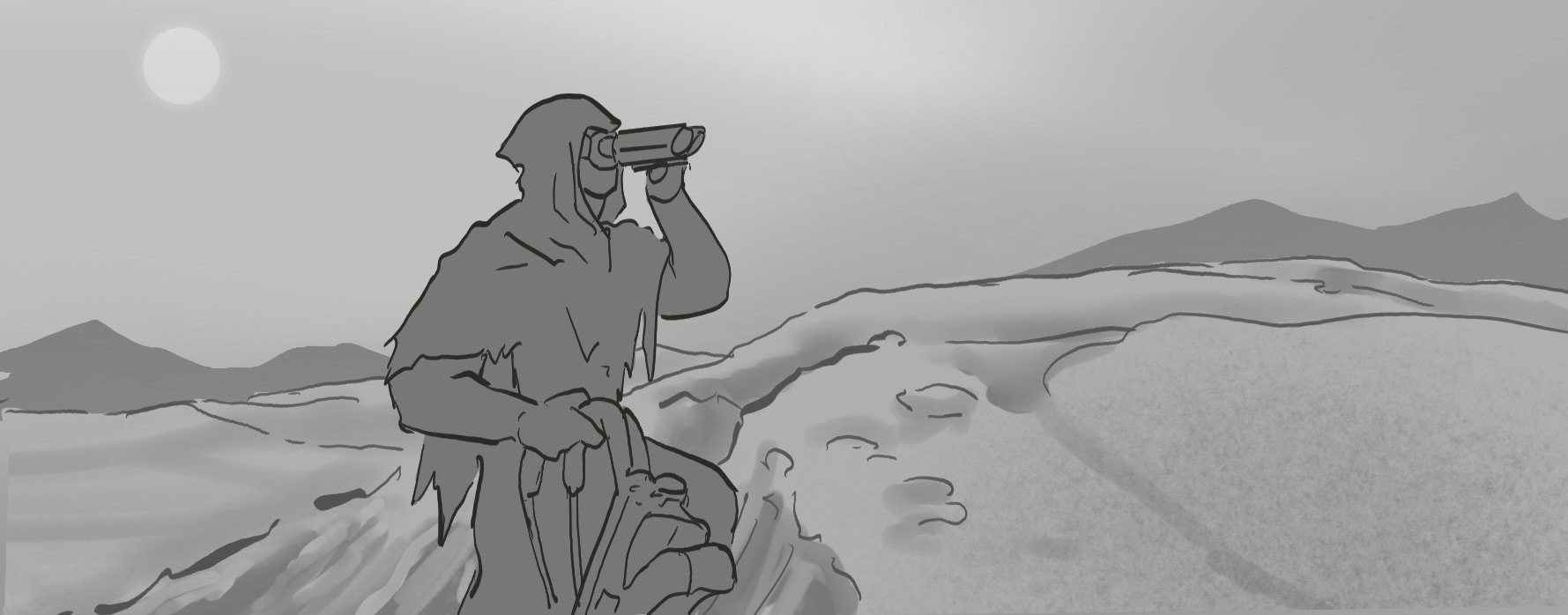
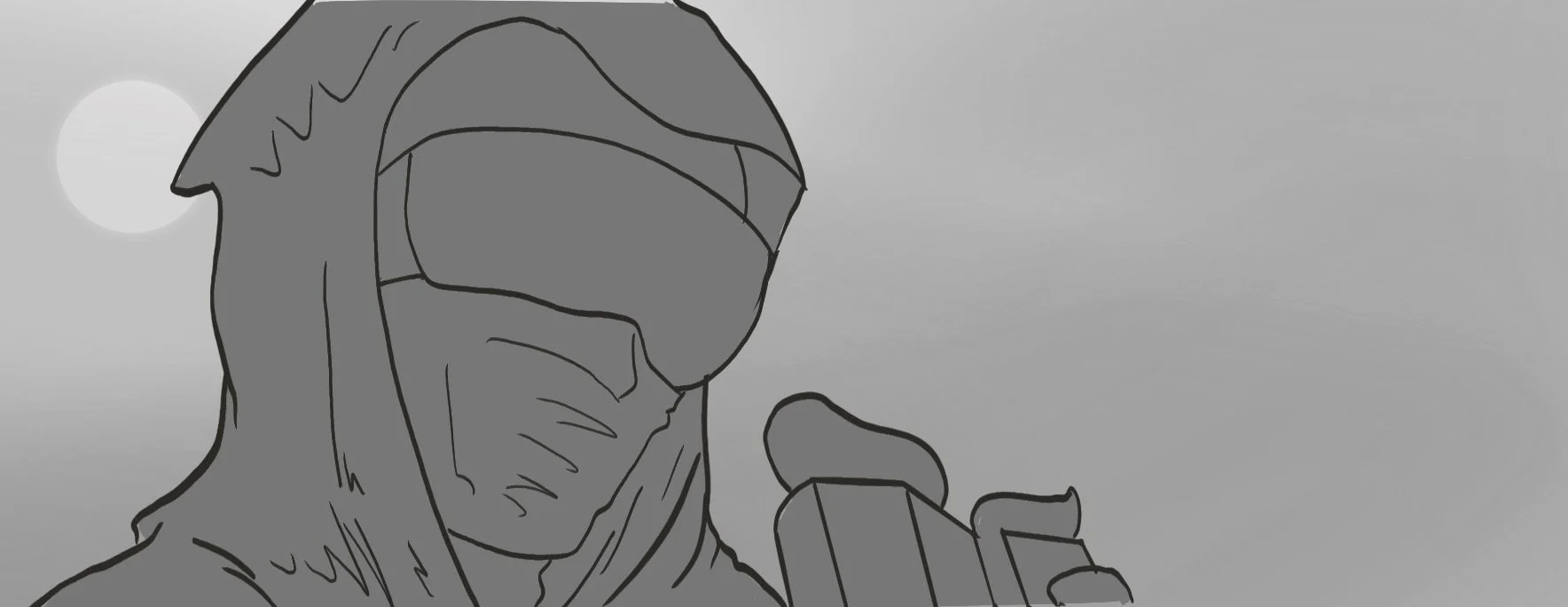
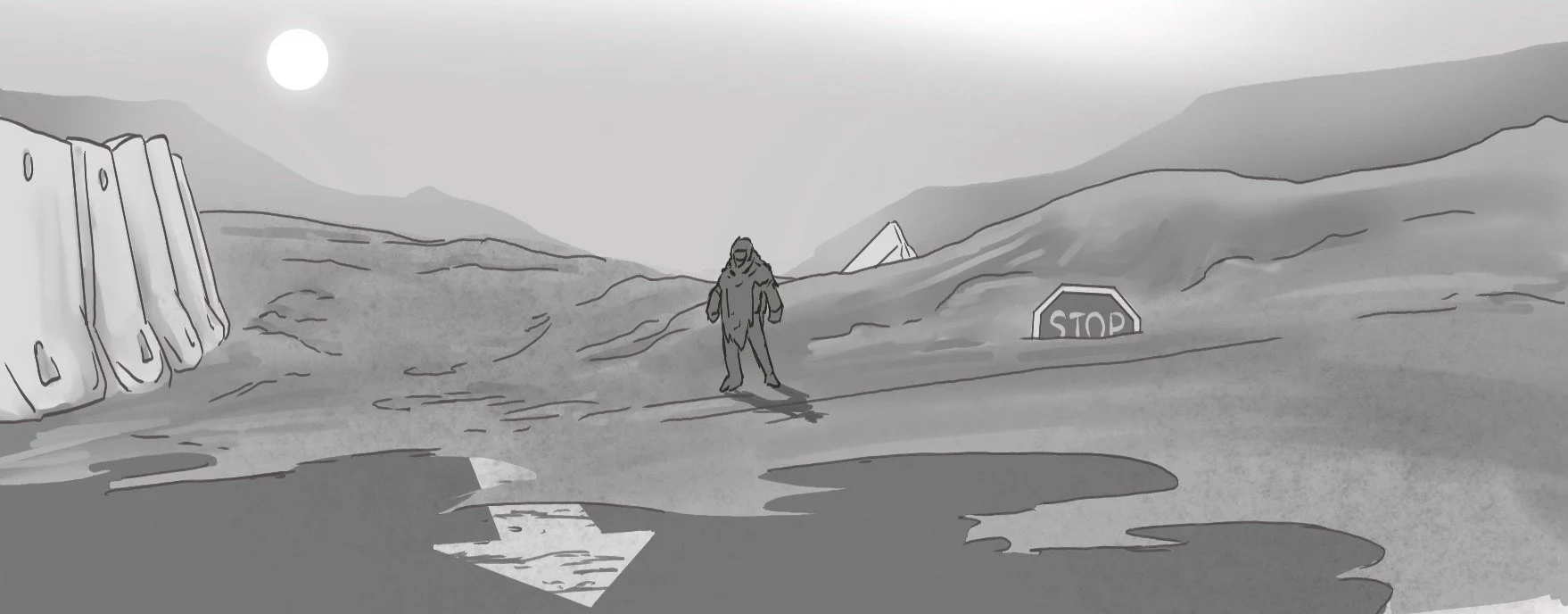
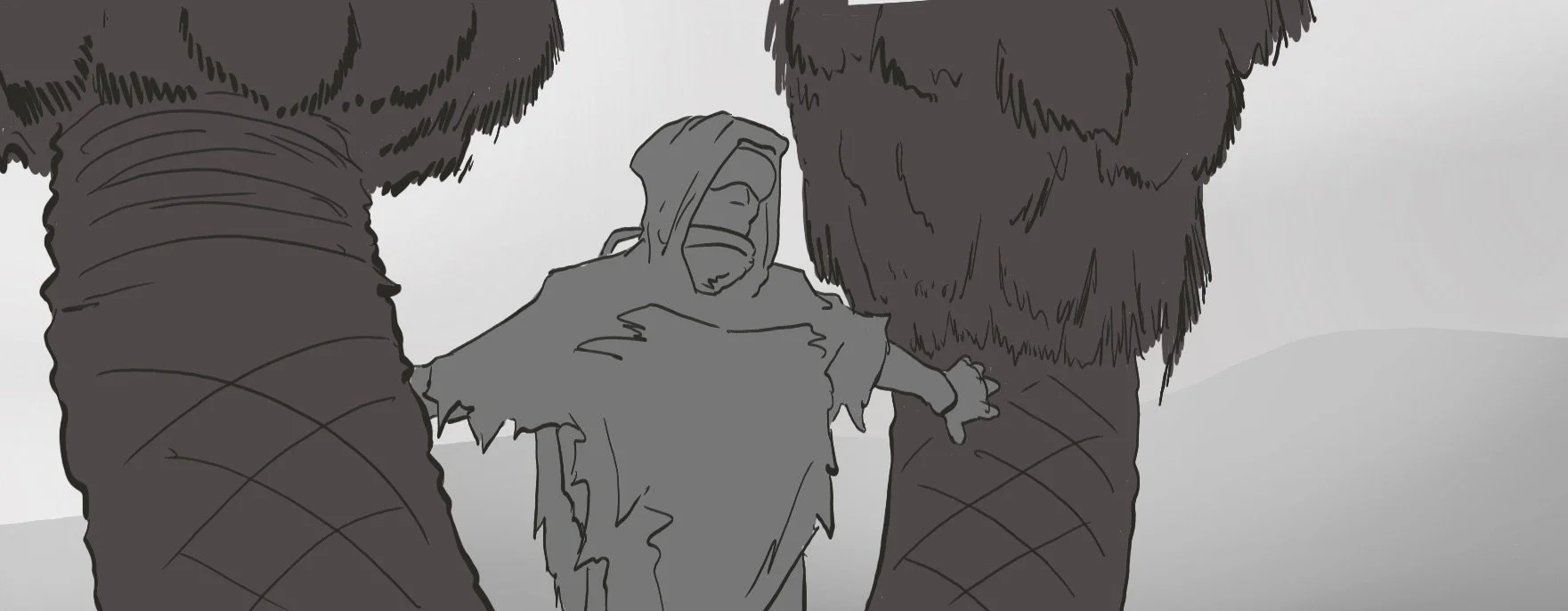
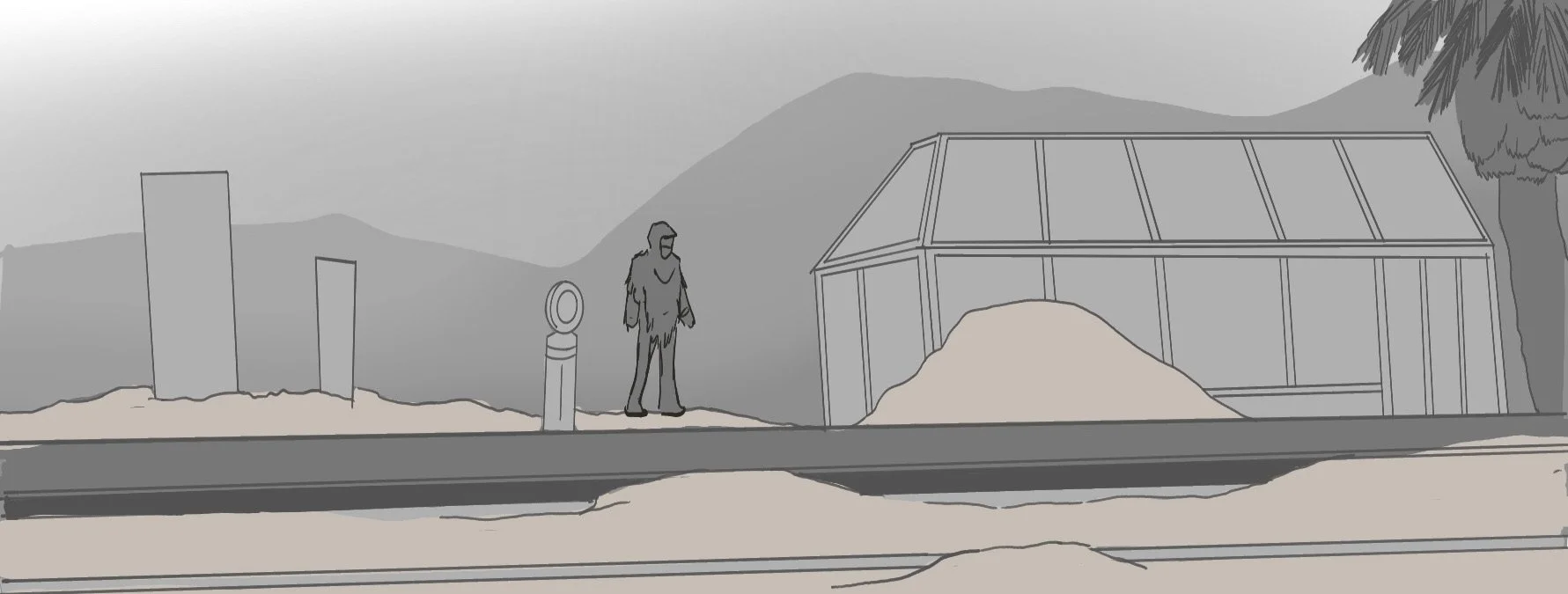
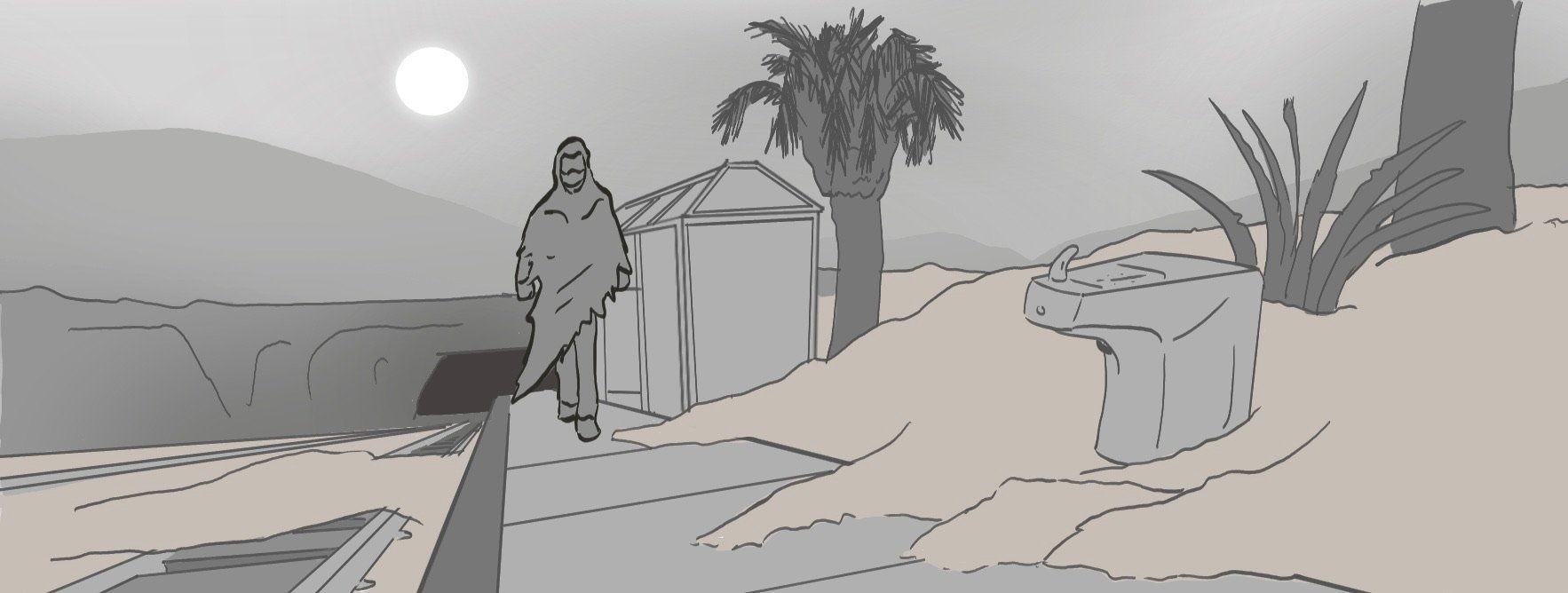
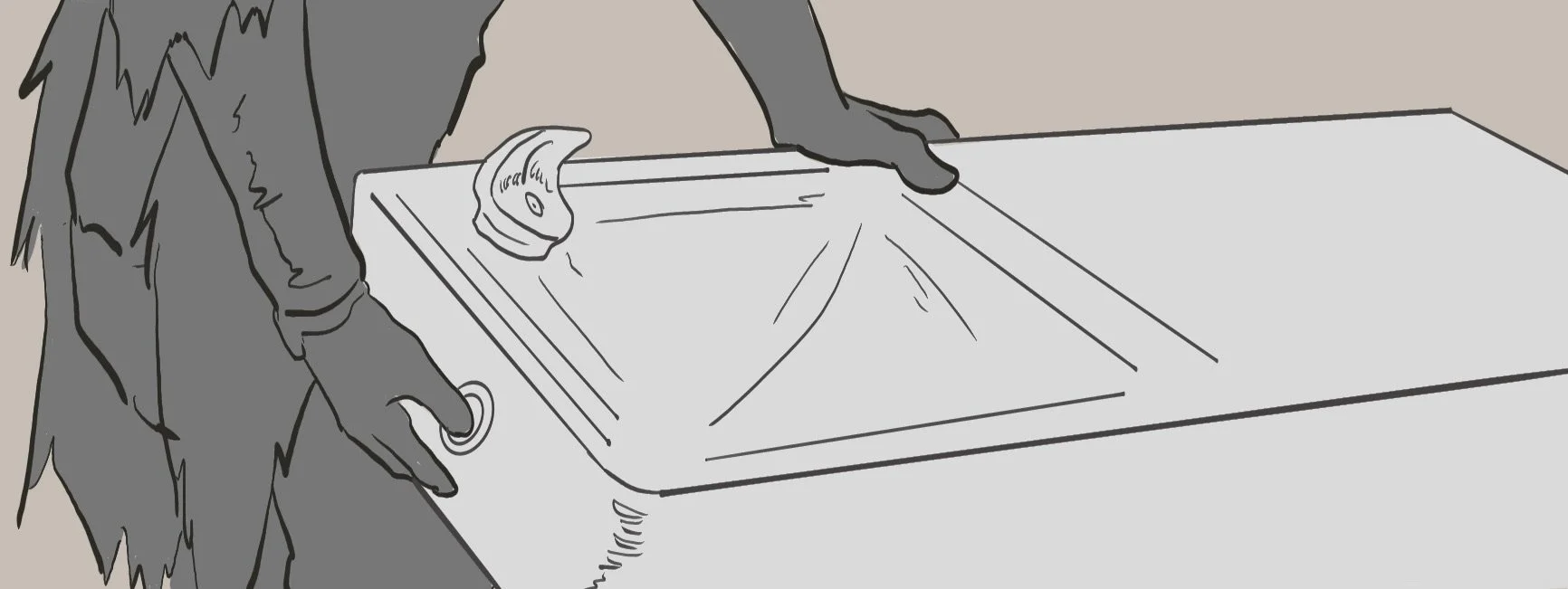
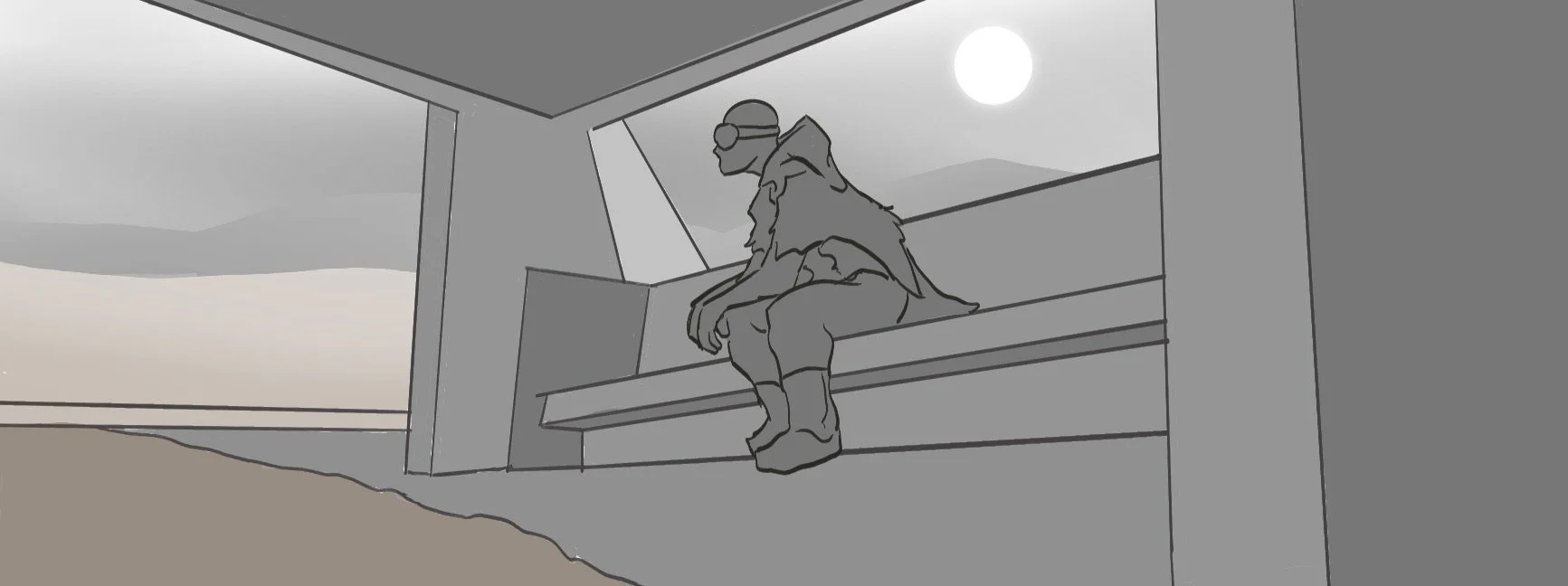
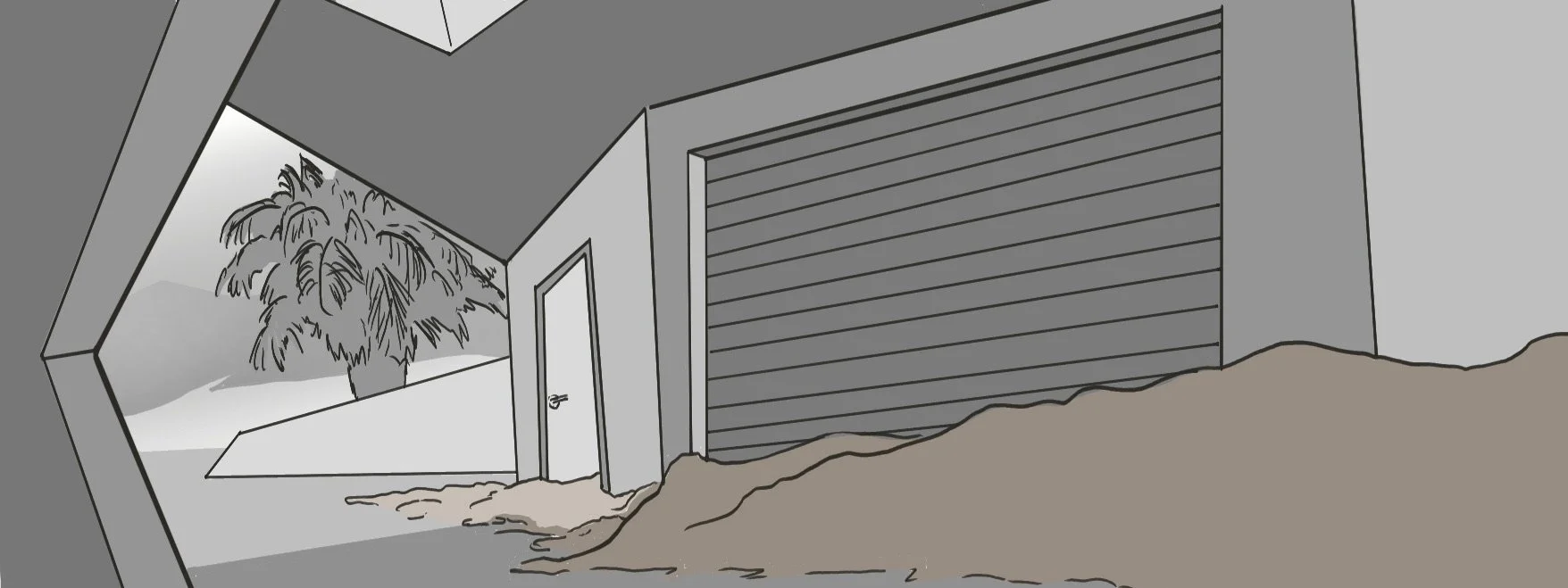
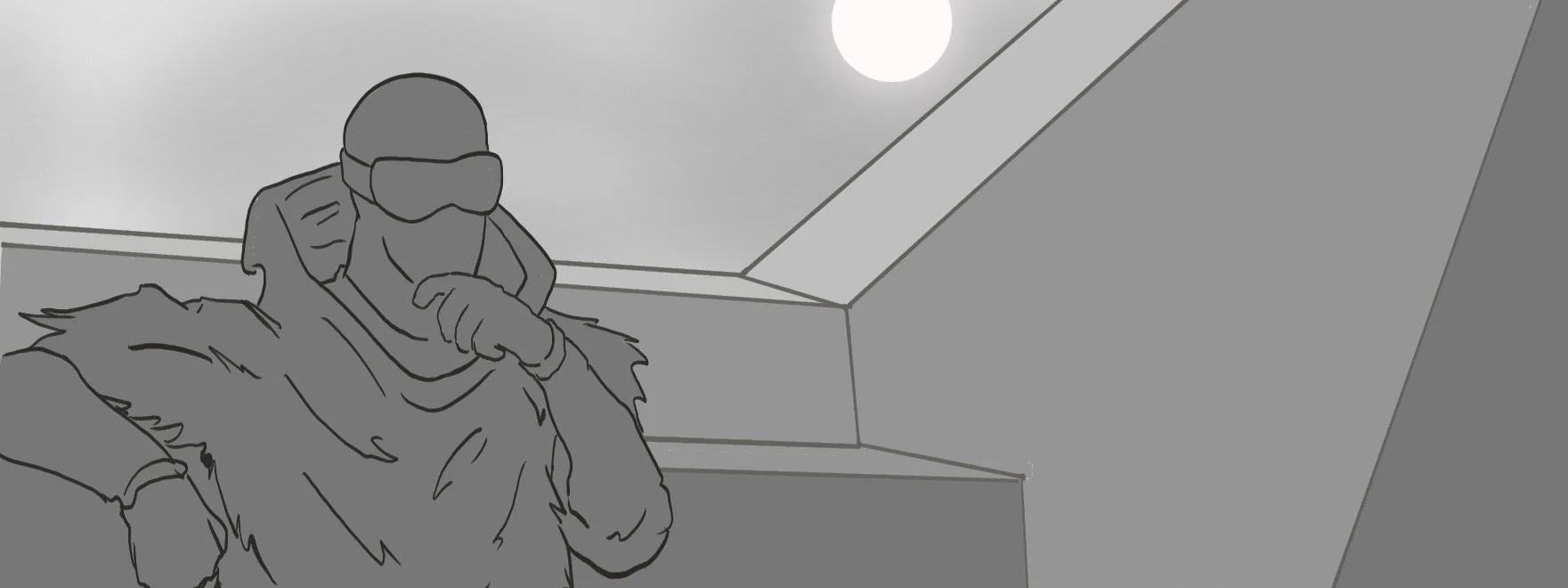
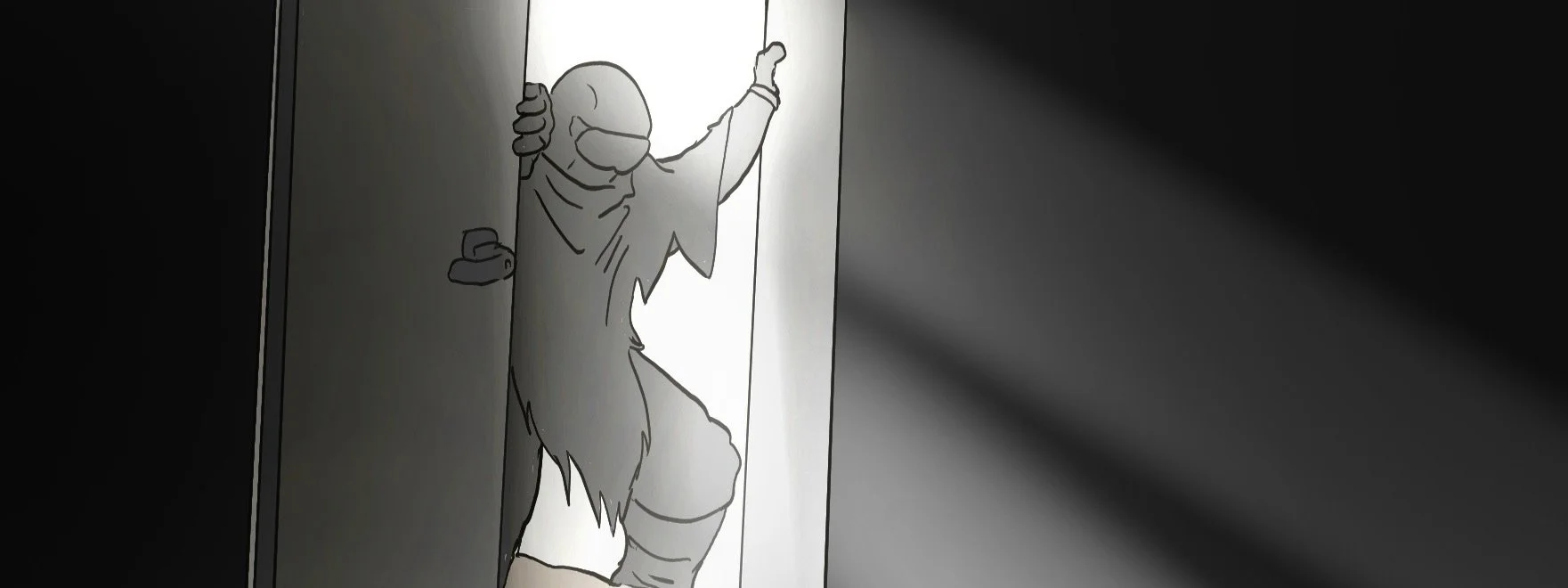
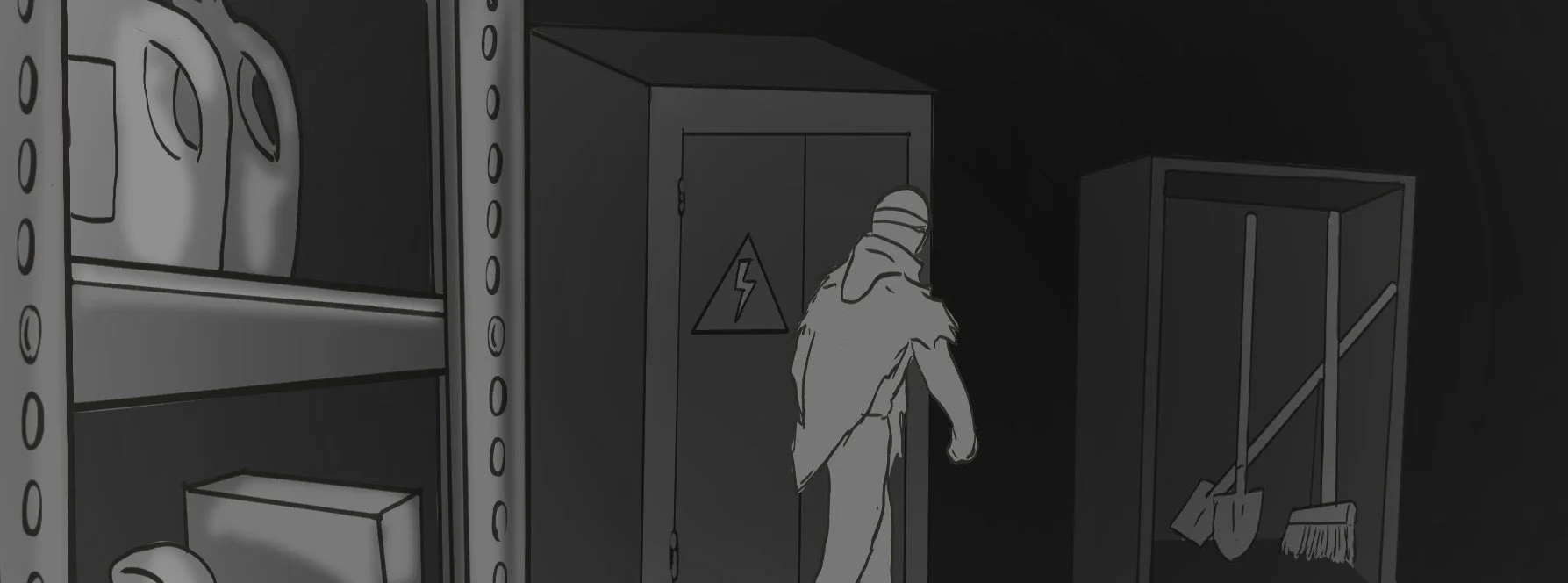
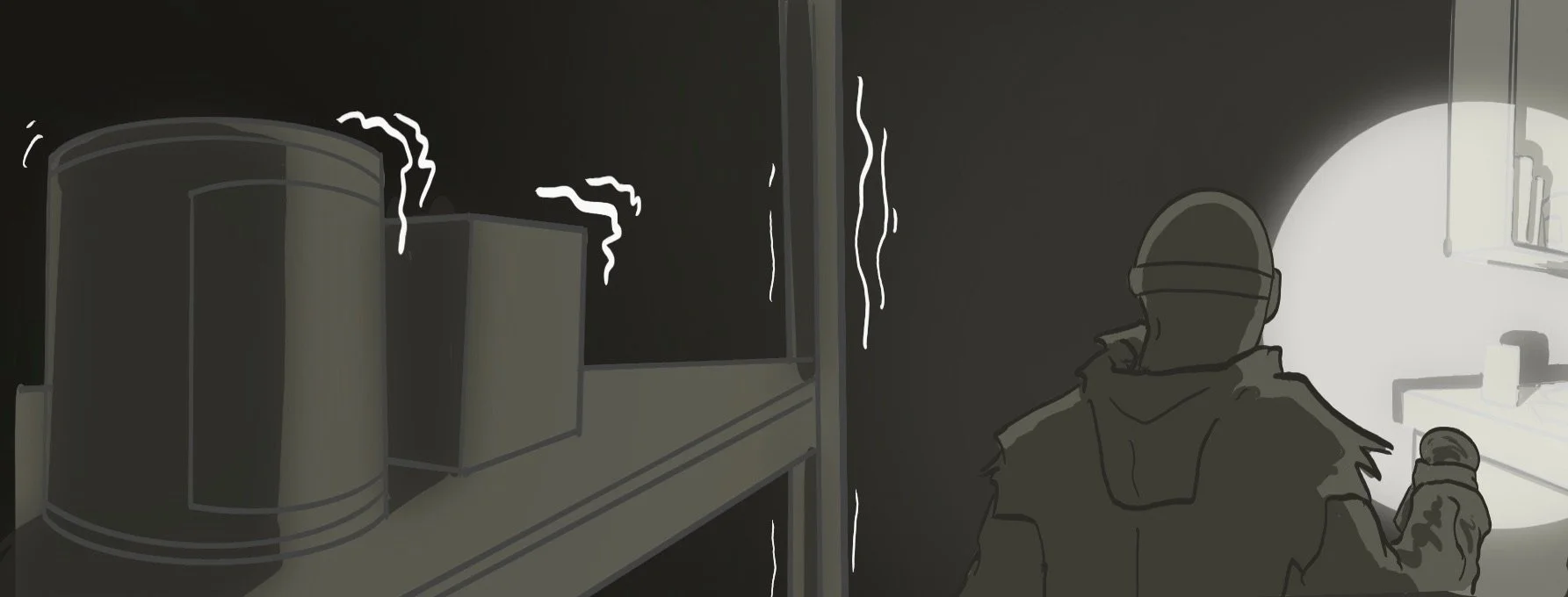
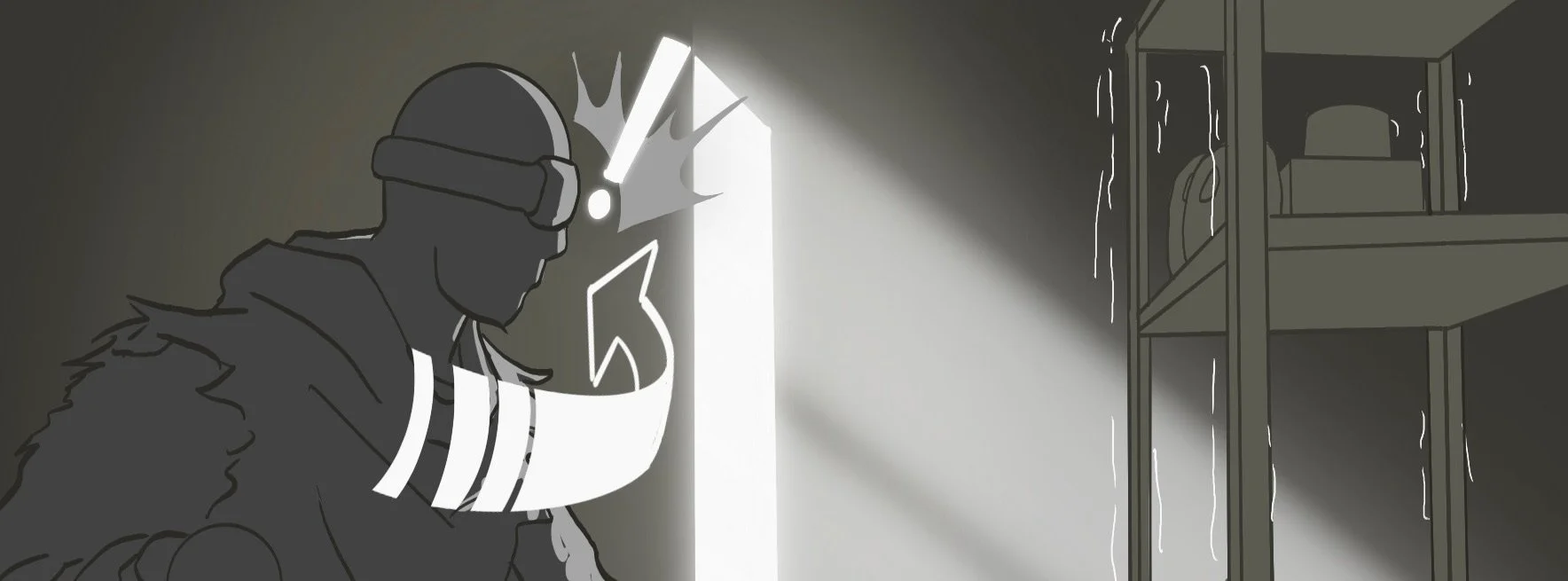
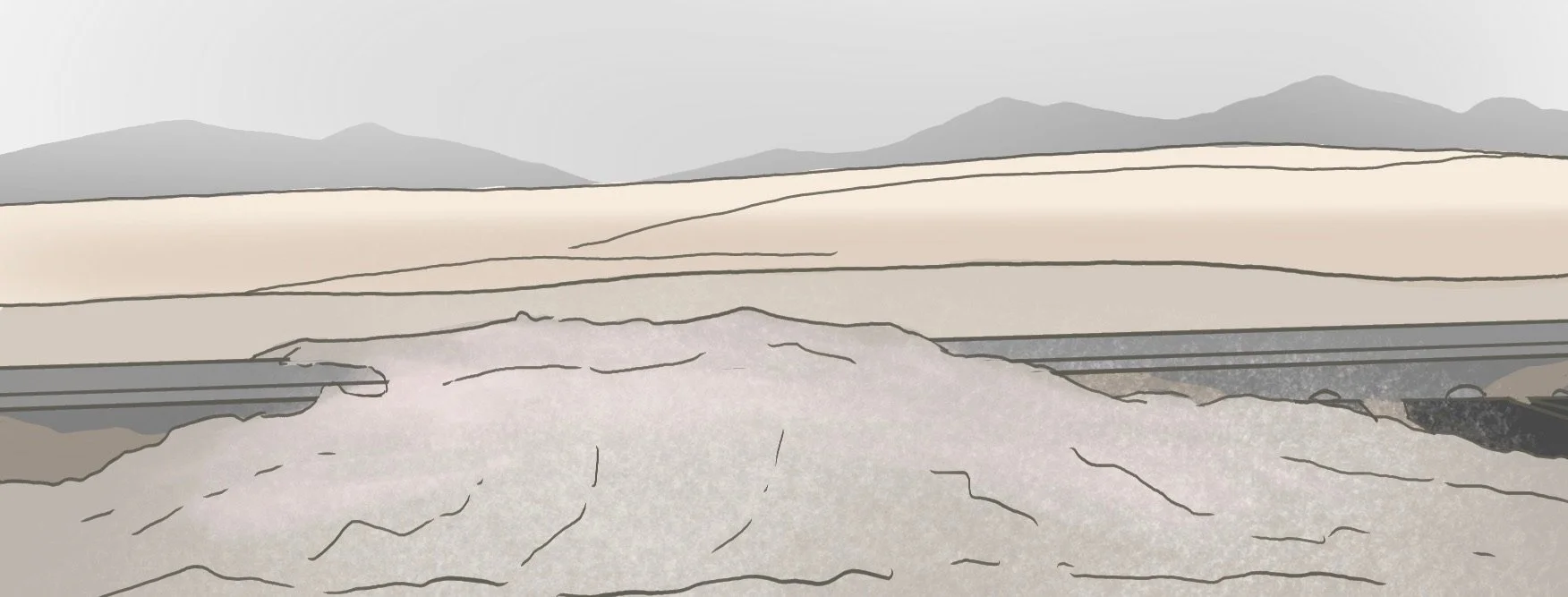
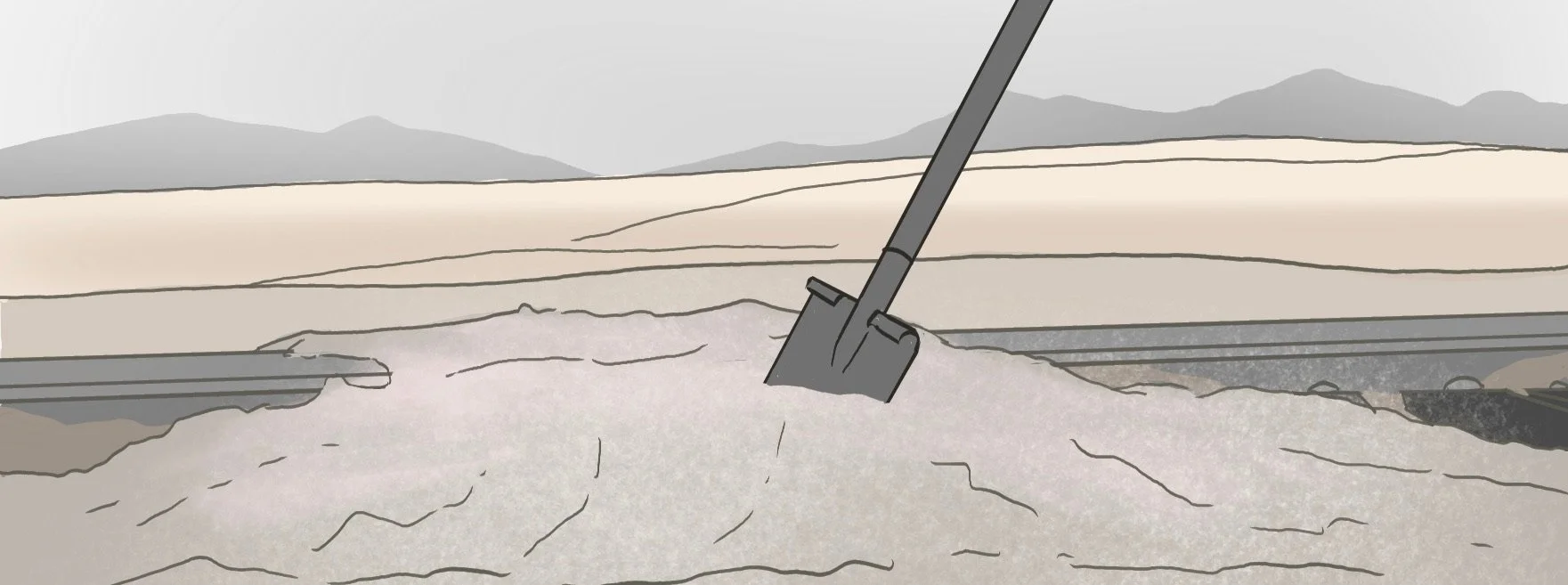
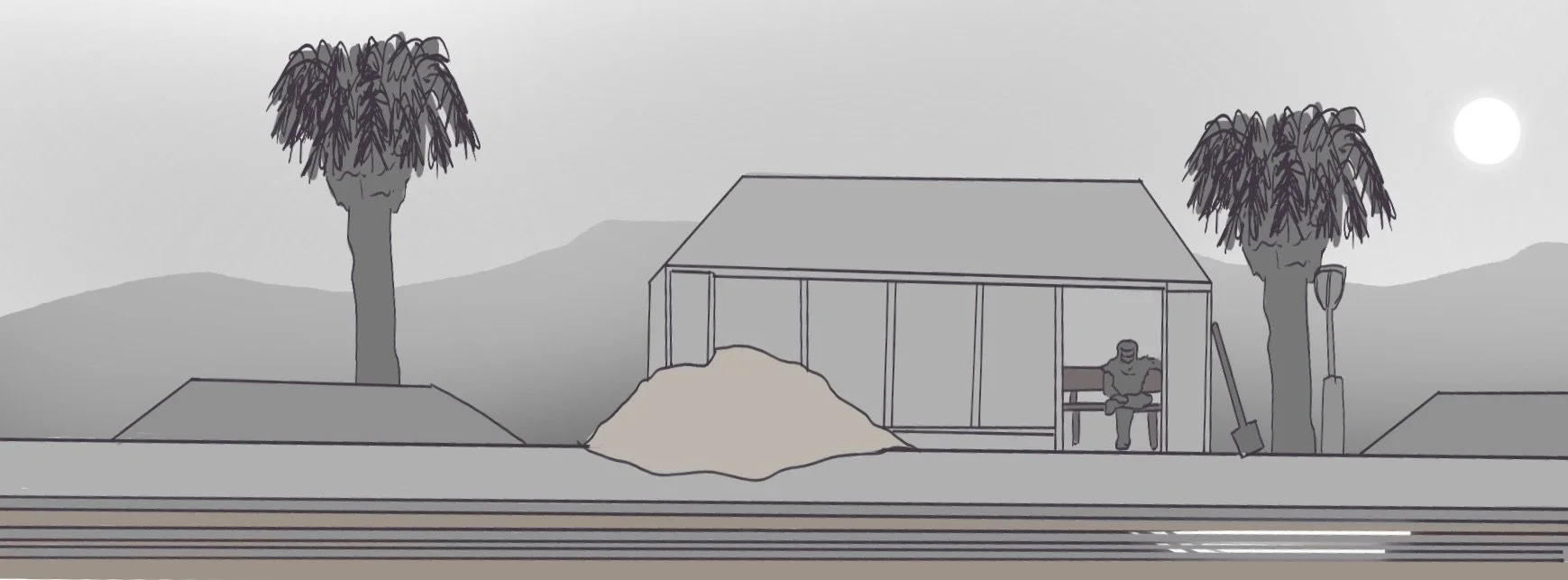
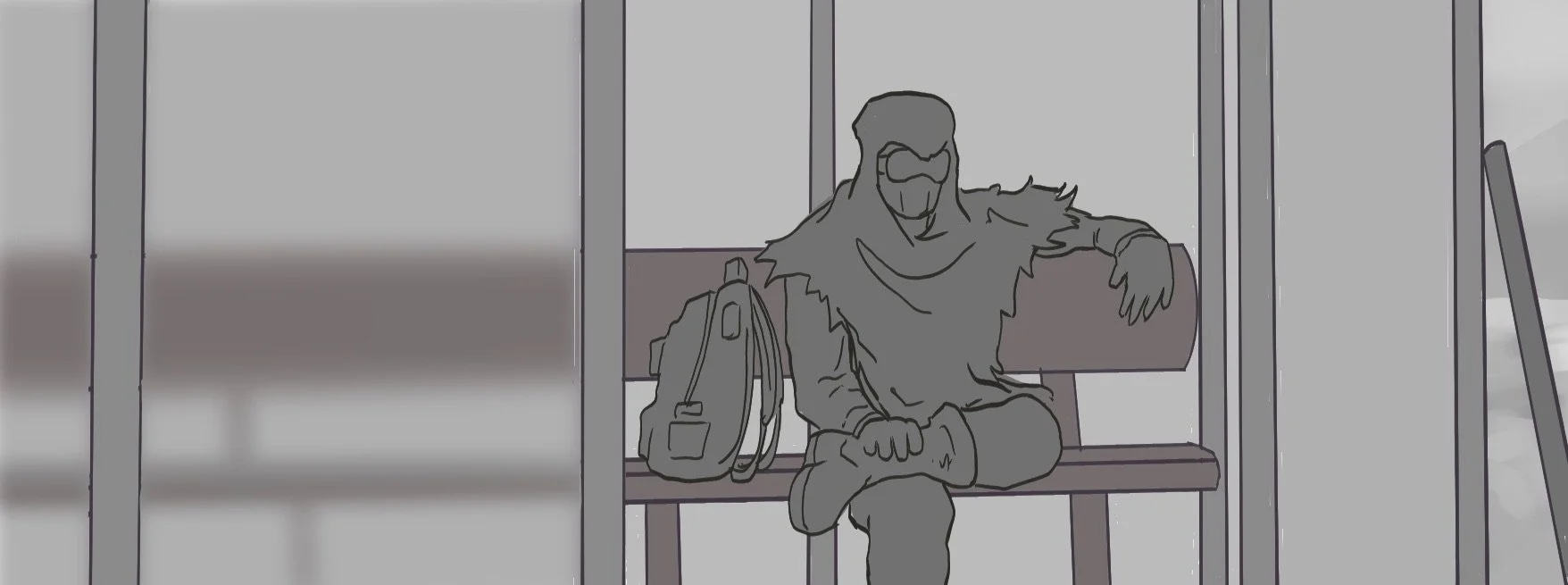
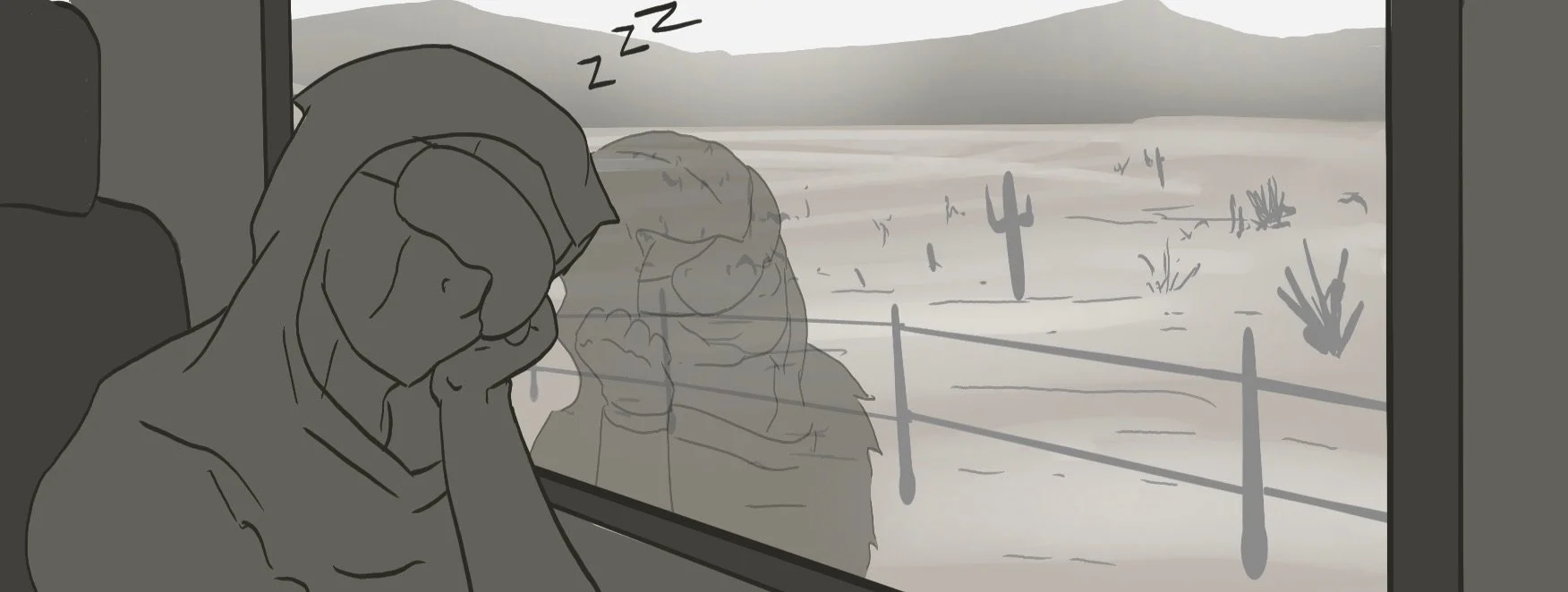
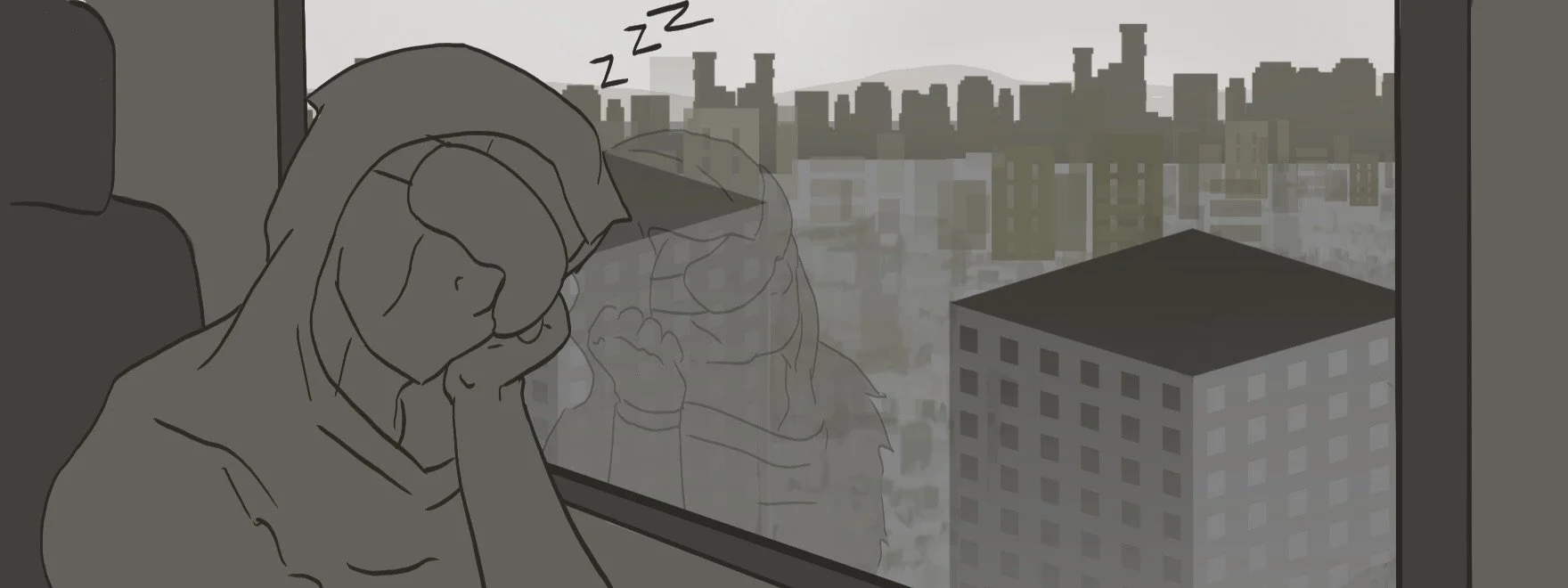
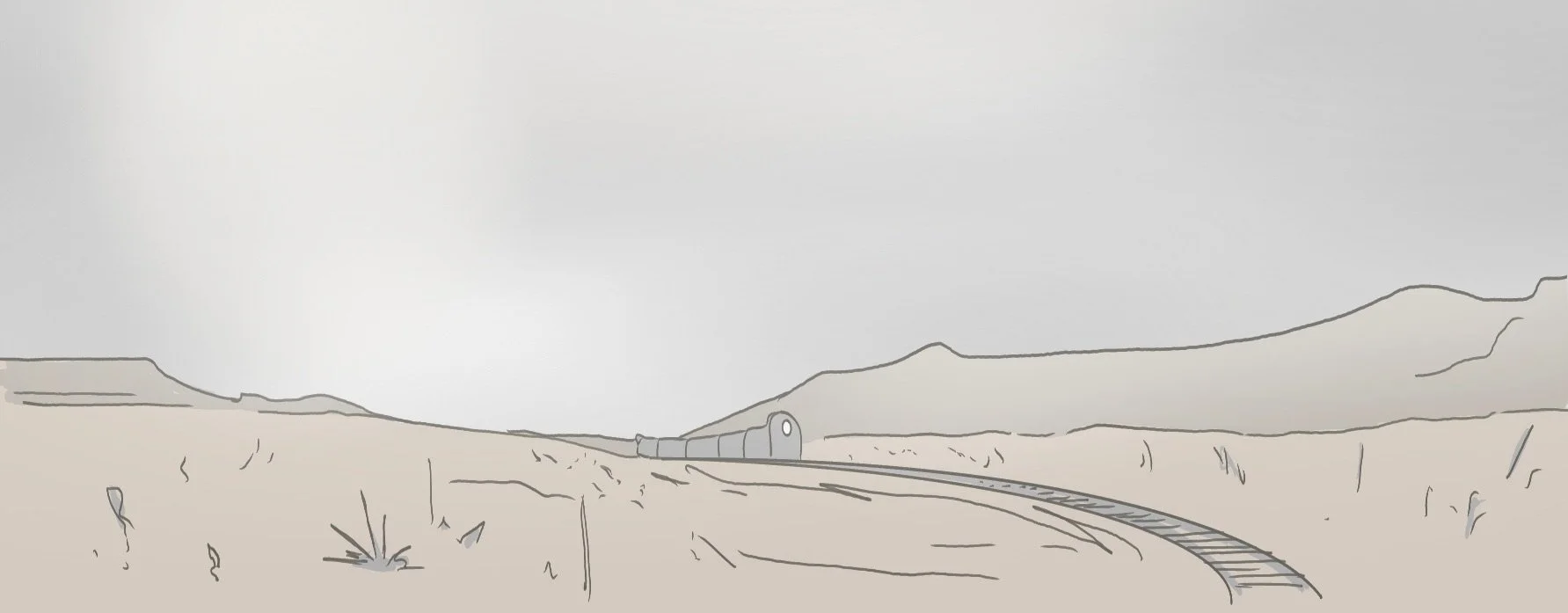
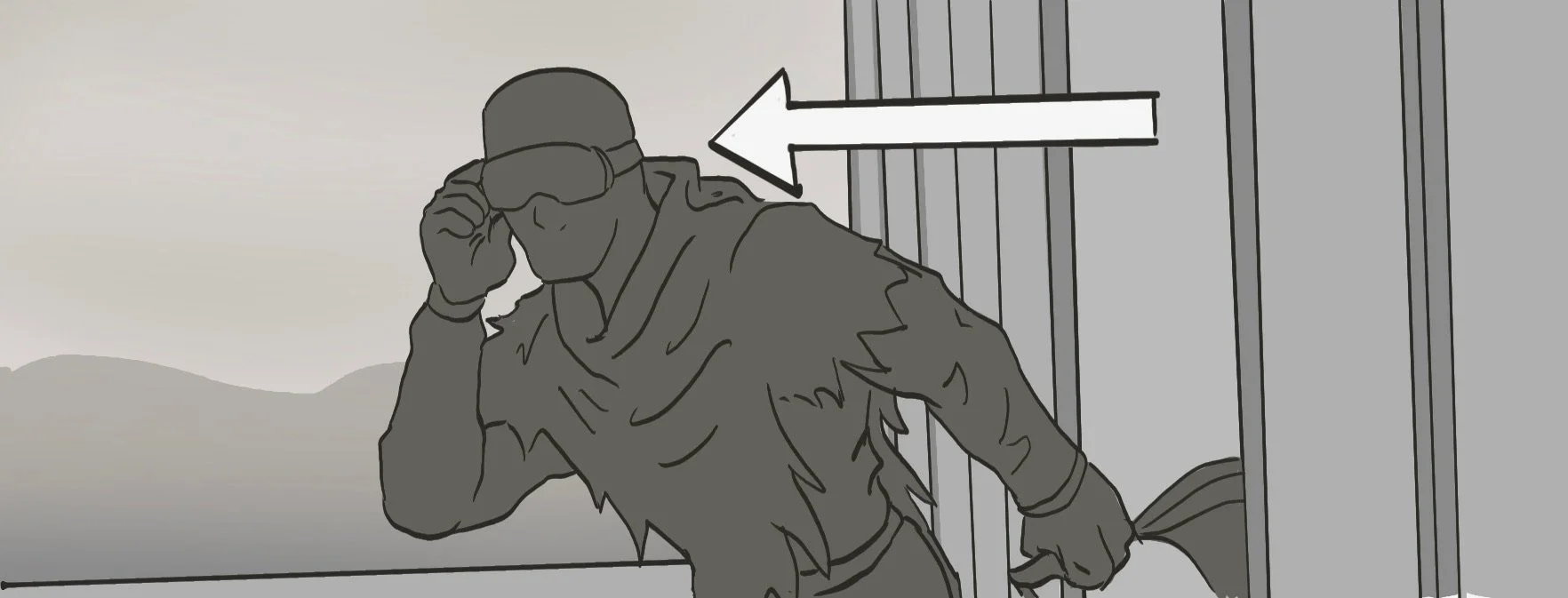
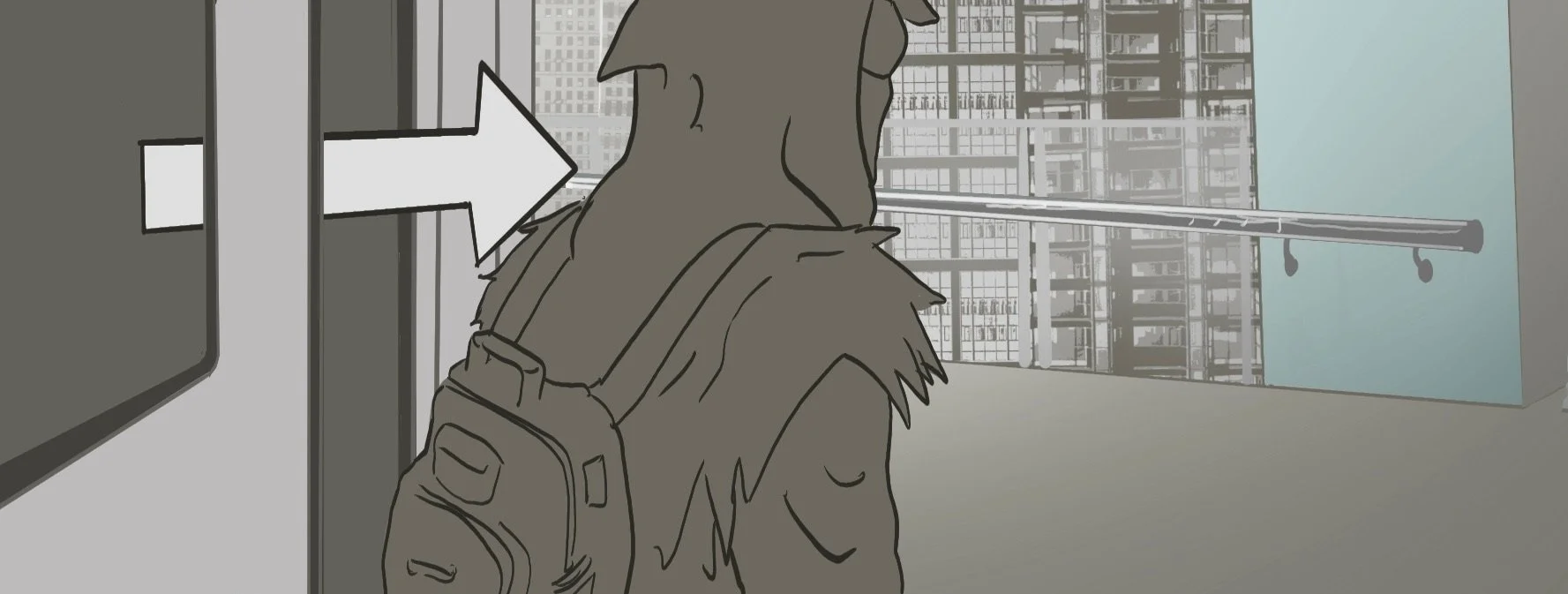
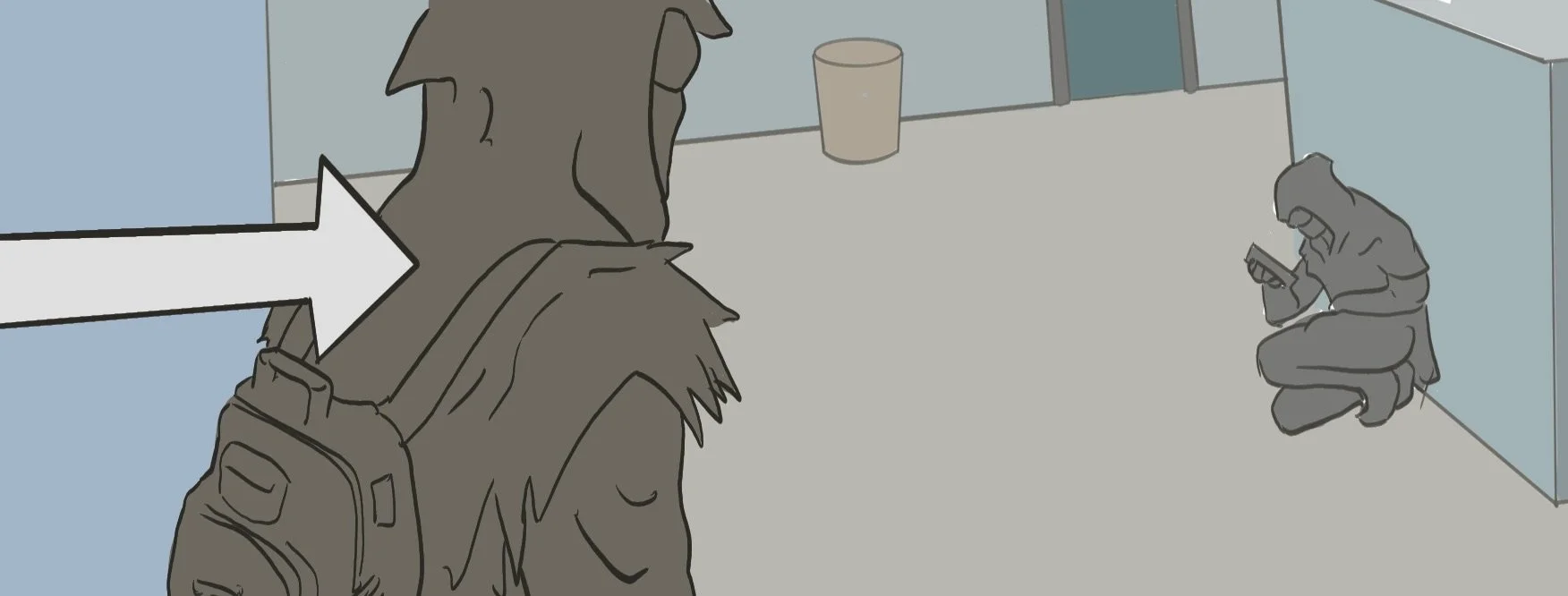
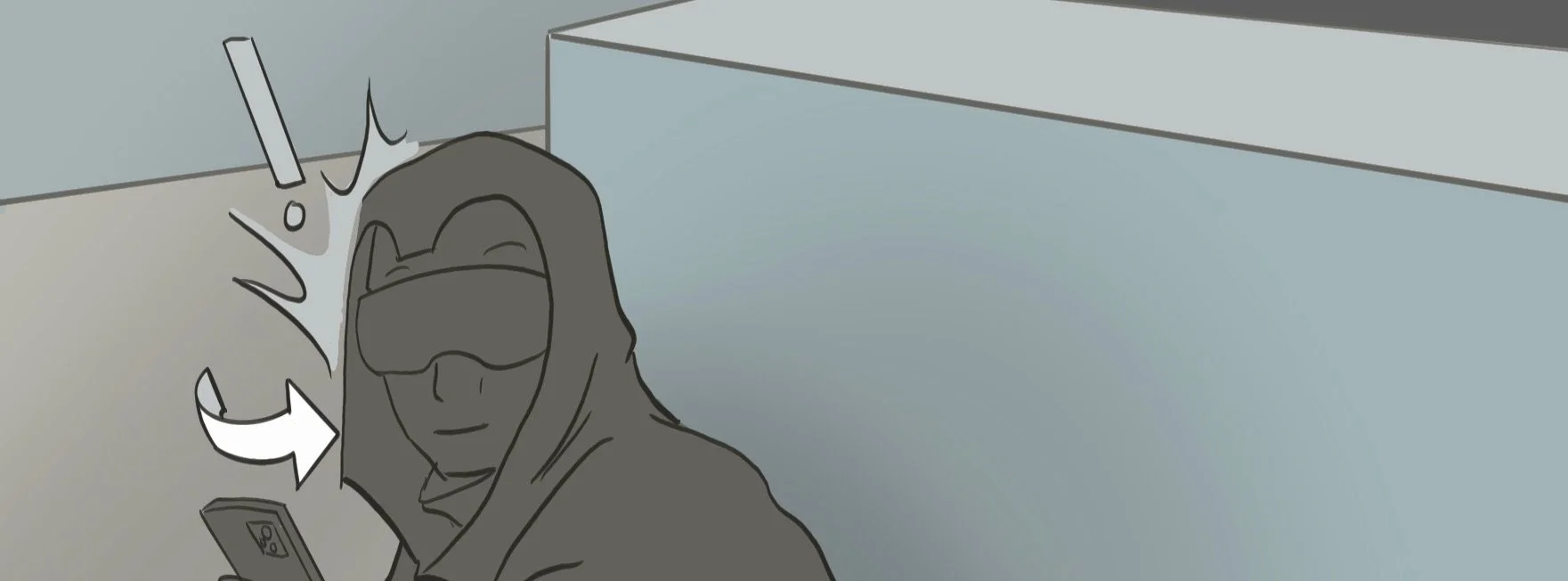
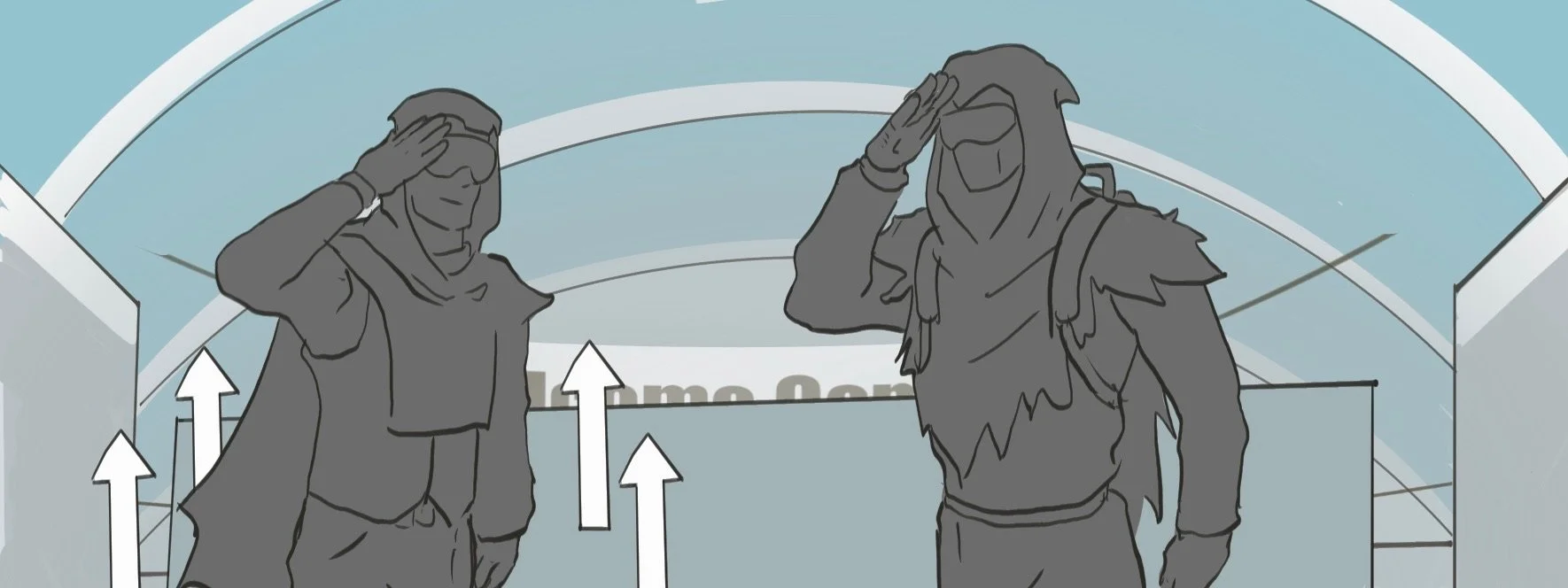
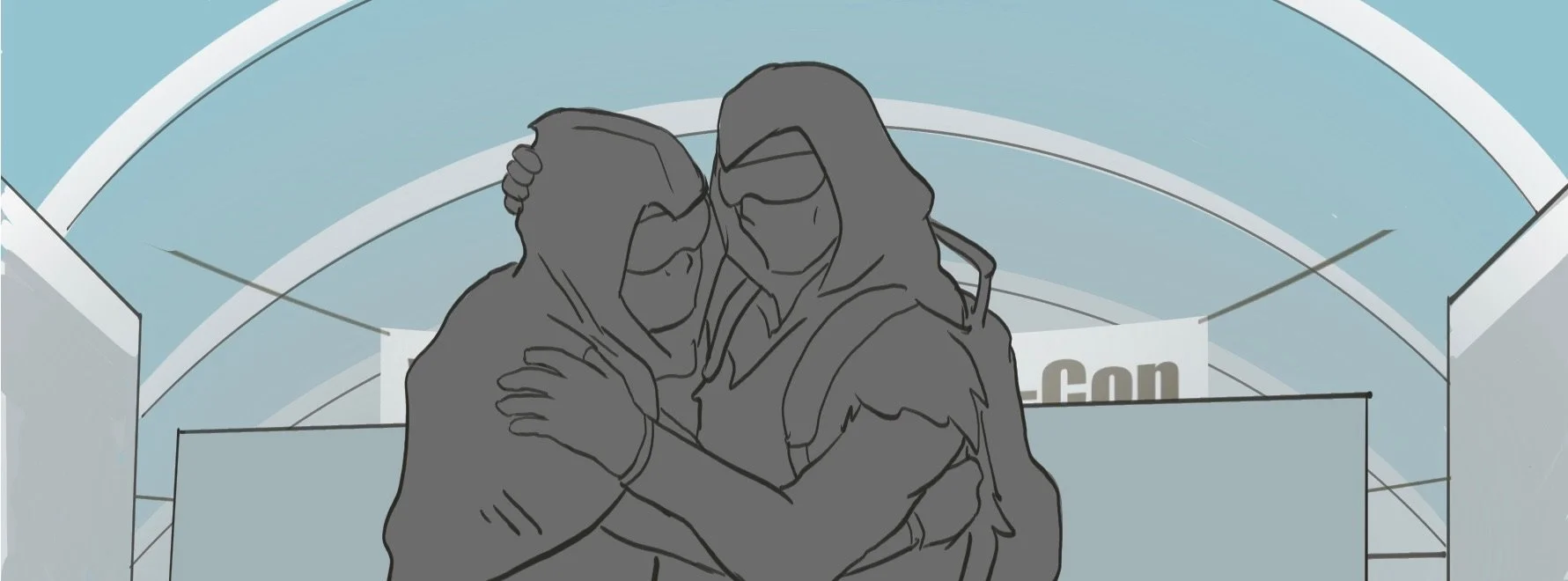
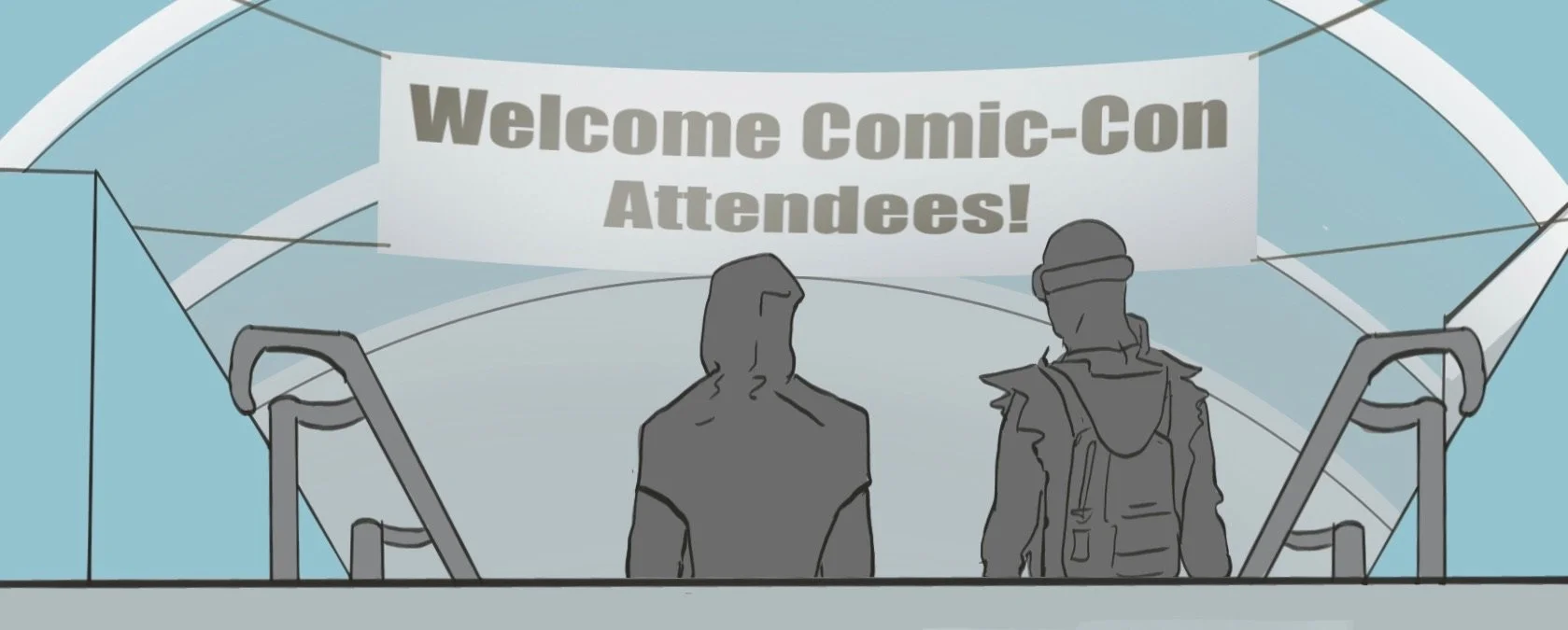
Once you have the story and script figured out, you can start gathering the crew and doing some:
location scouts
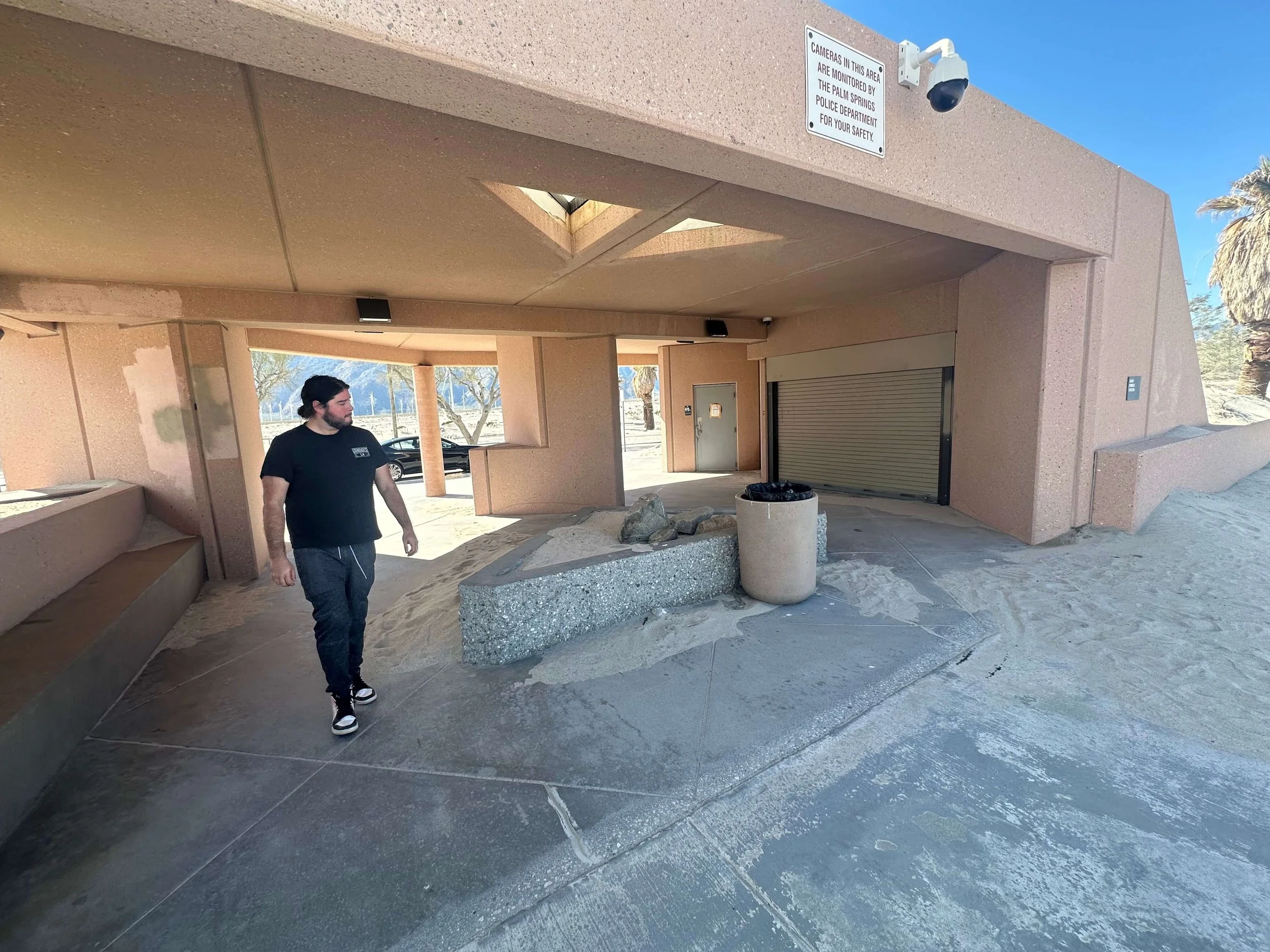
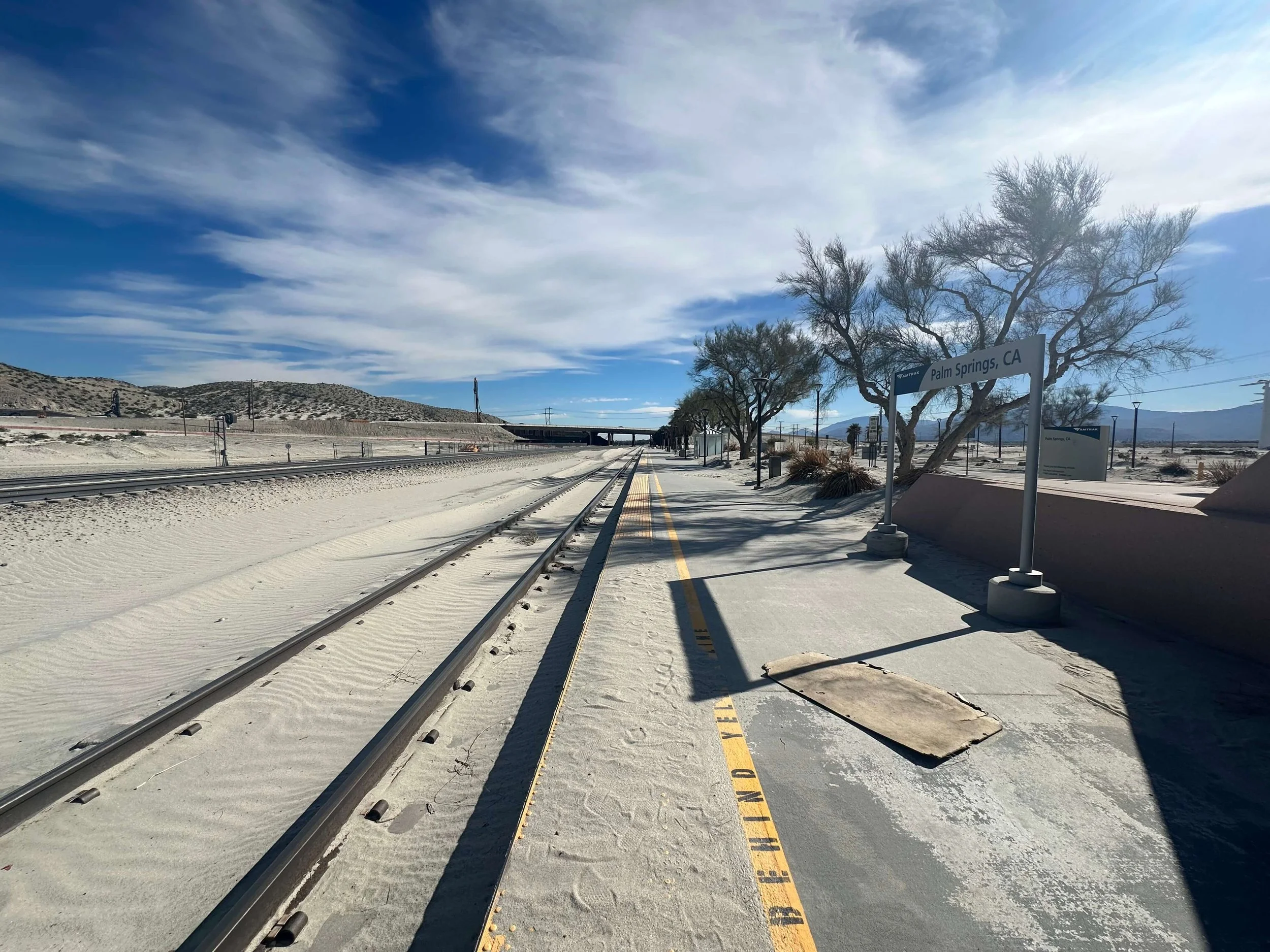
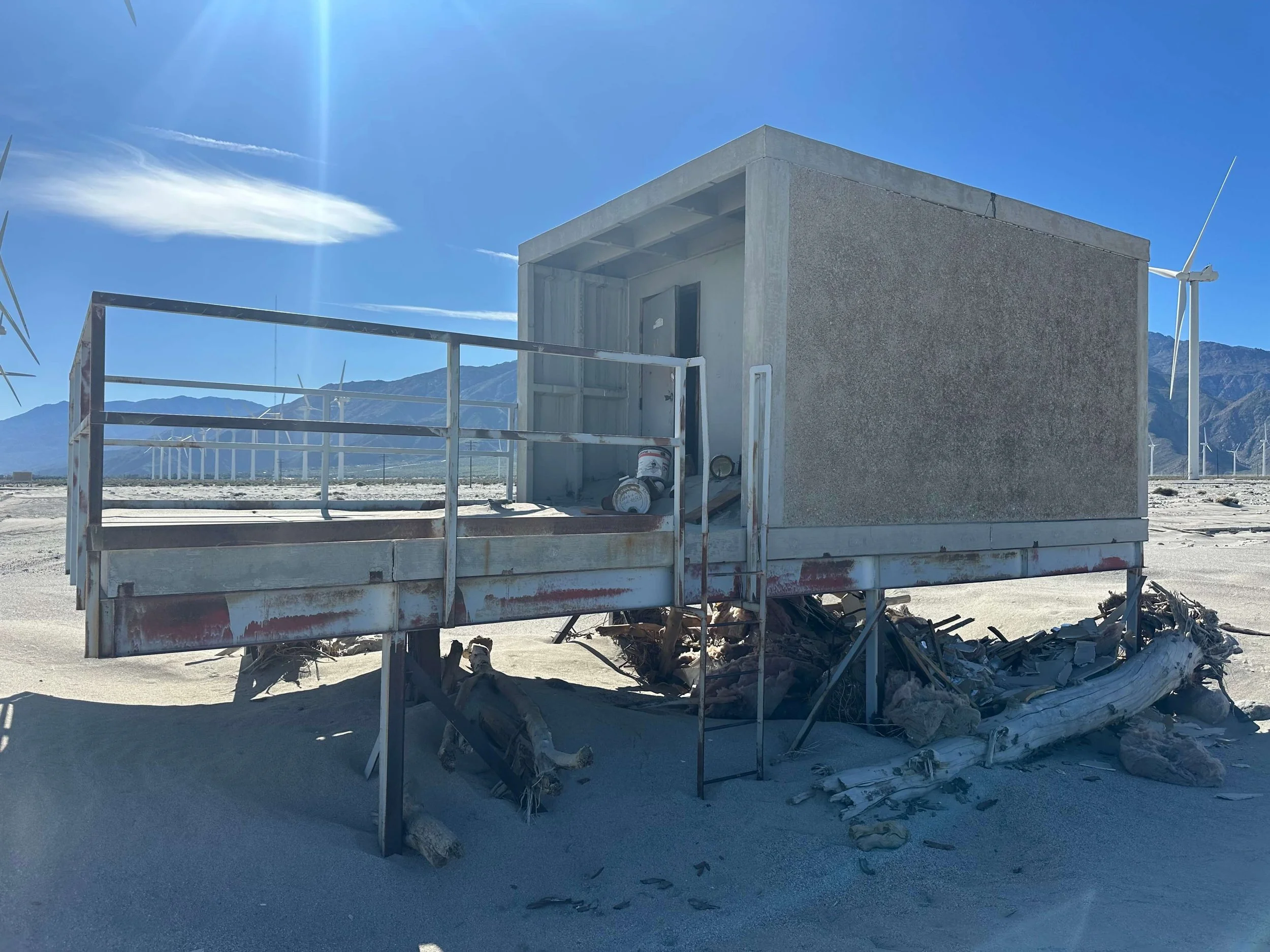
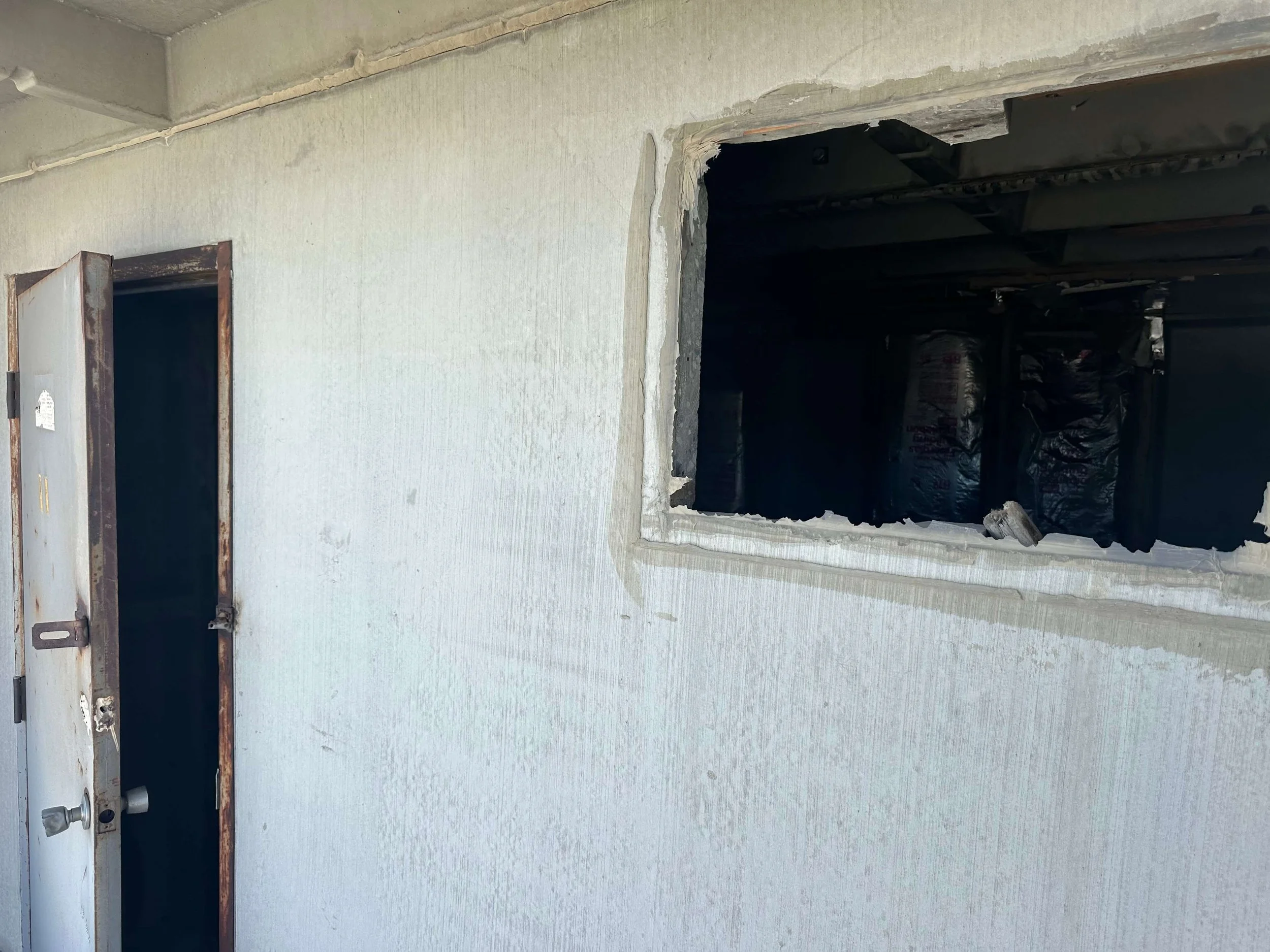
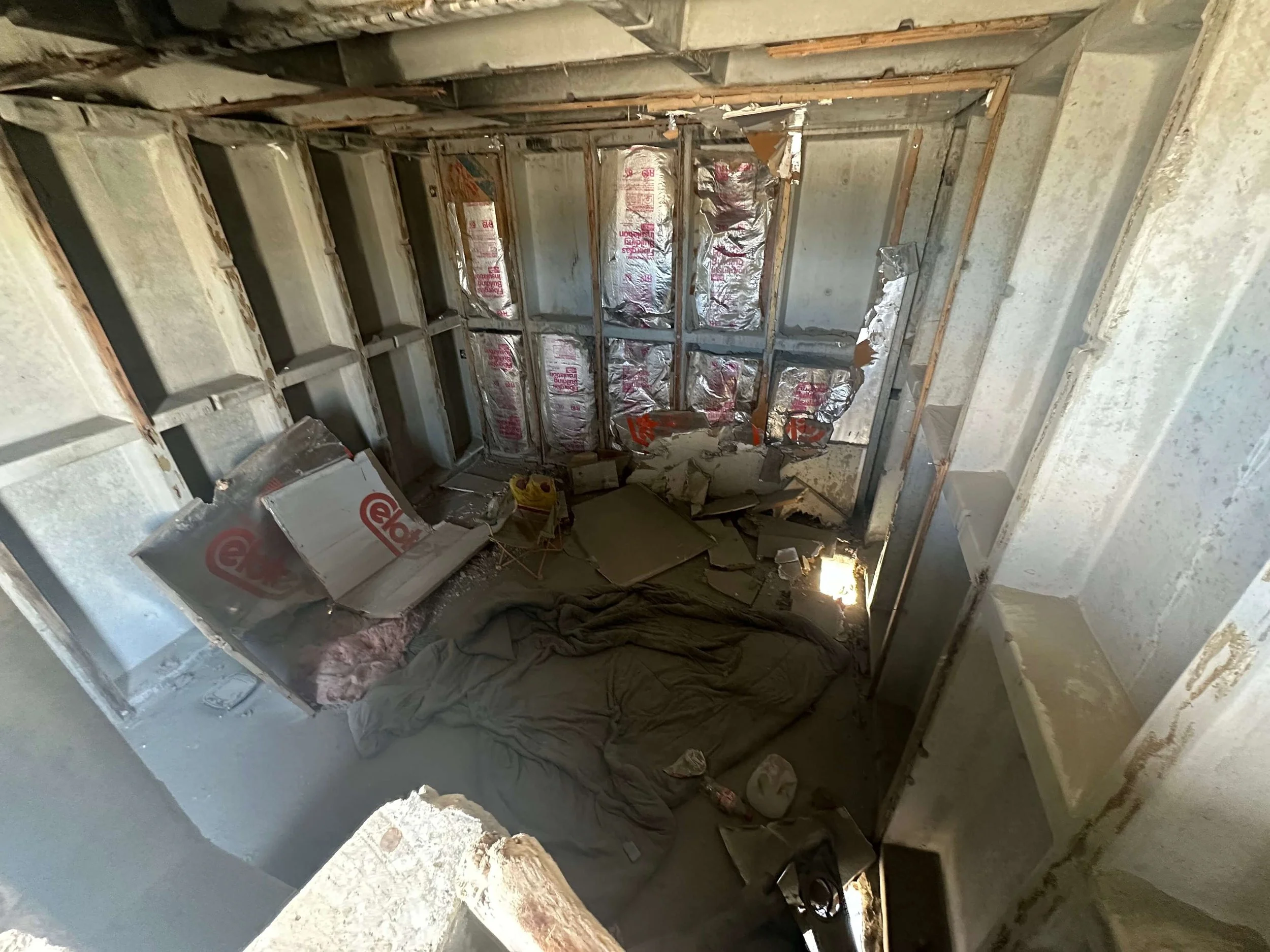
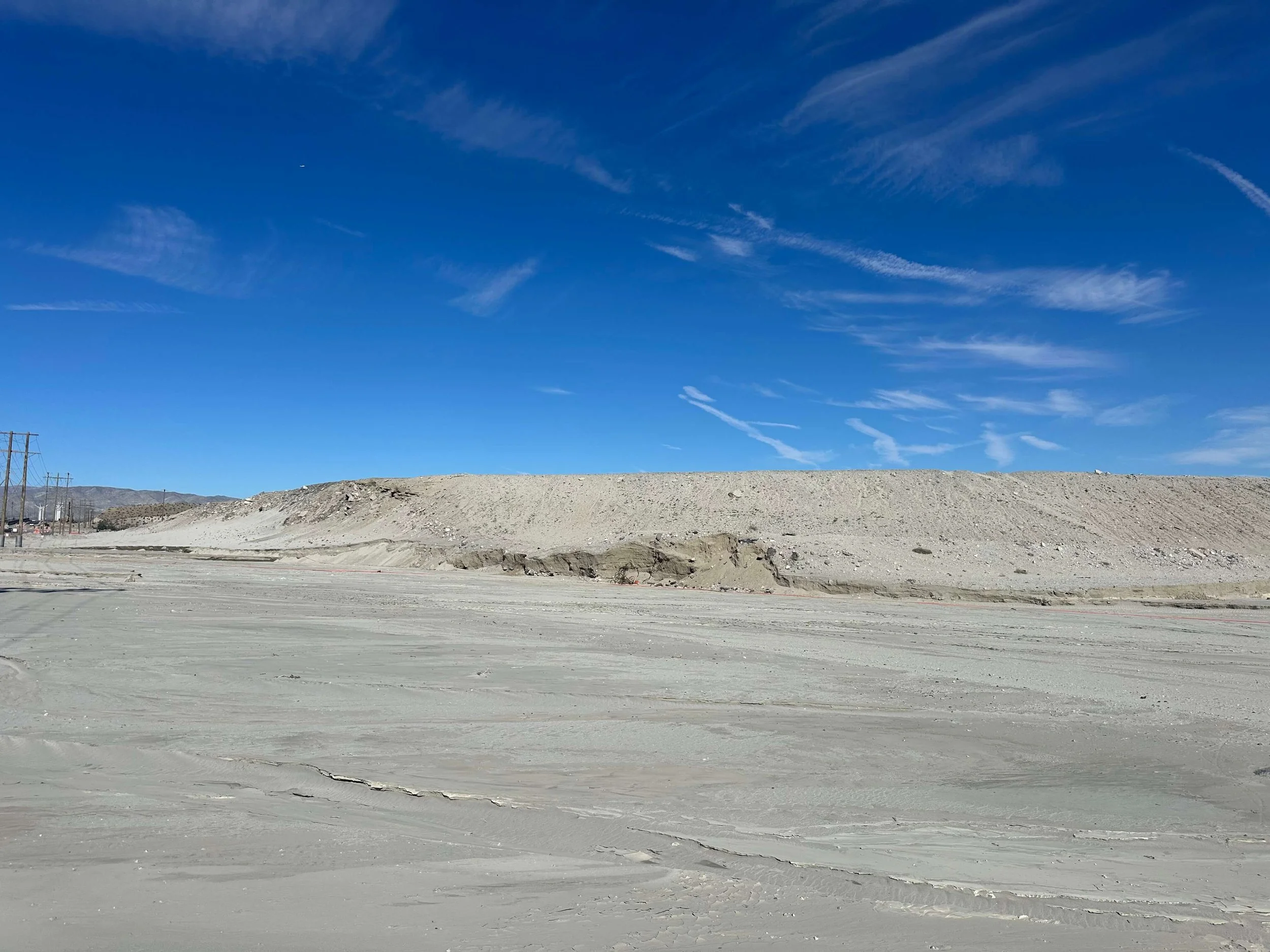
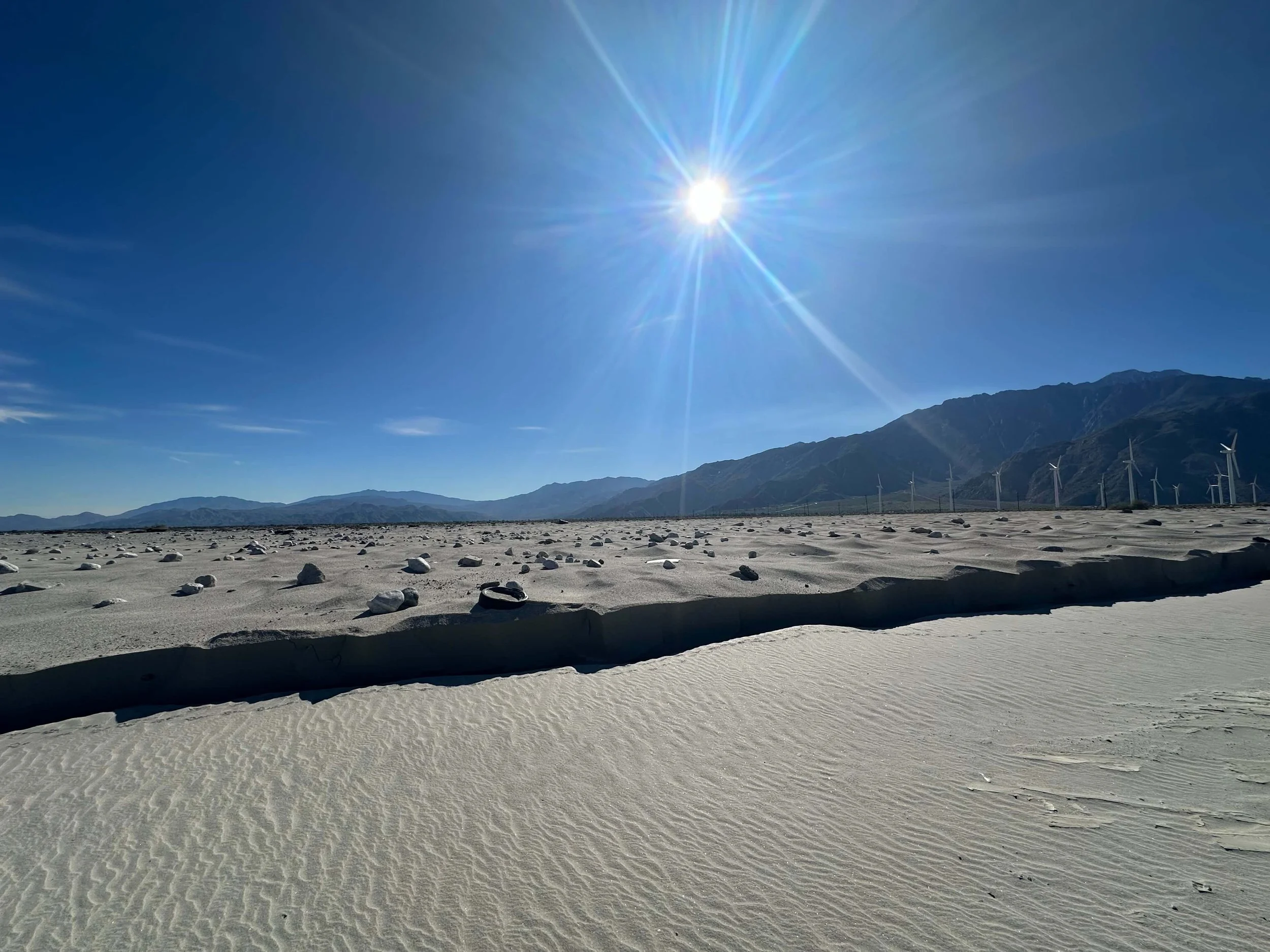
Location scouting for The Last Train was all about finding a place that could sell the illusion of another world while still grounding the story in something real. We focused on wide, open landscapes and quiet, almost-forgotten train stops that felt isolated enough to pass as post-apocalyptic. Every potential spot was evaluated not just for how it looked on camera, but how it would support the mood. It needed harsh light, empty space, and a sense of stillness that made the character feel truly alone. We landed on Palm Springs Amtrak Station since the wind commonly blows sand piles onto the train station and then a more modern train station like the one in Anaheim. It became a balance of cinematic atmosphere and clever staging, choosing a location that could hold both the weight of the drama and the payoff of the joke.
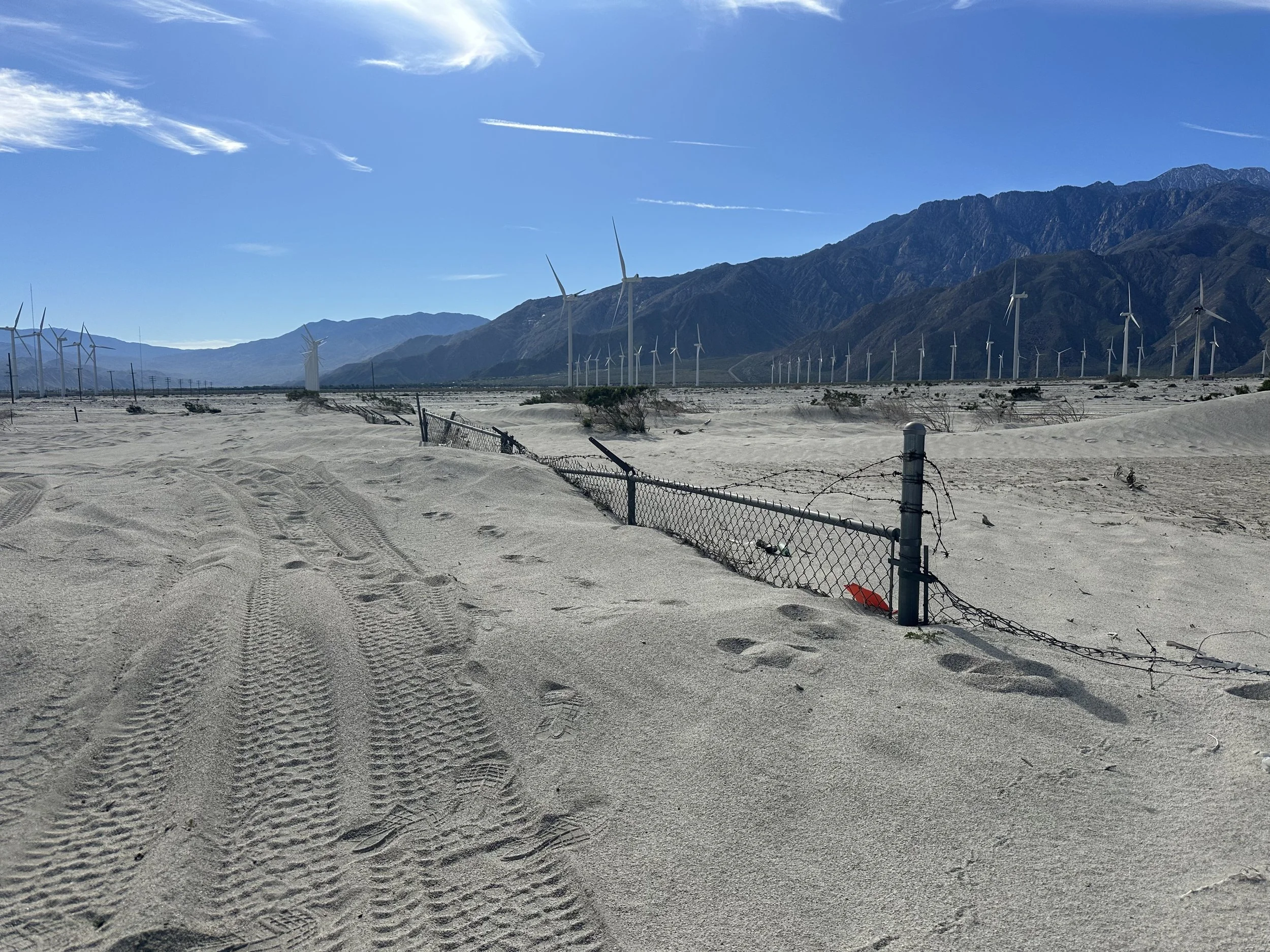
Buried Fence
Common wind storms have made it so that sand piled up a few feet. We could use that.